

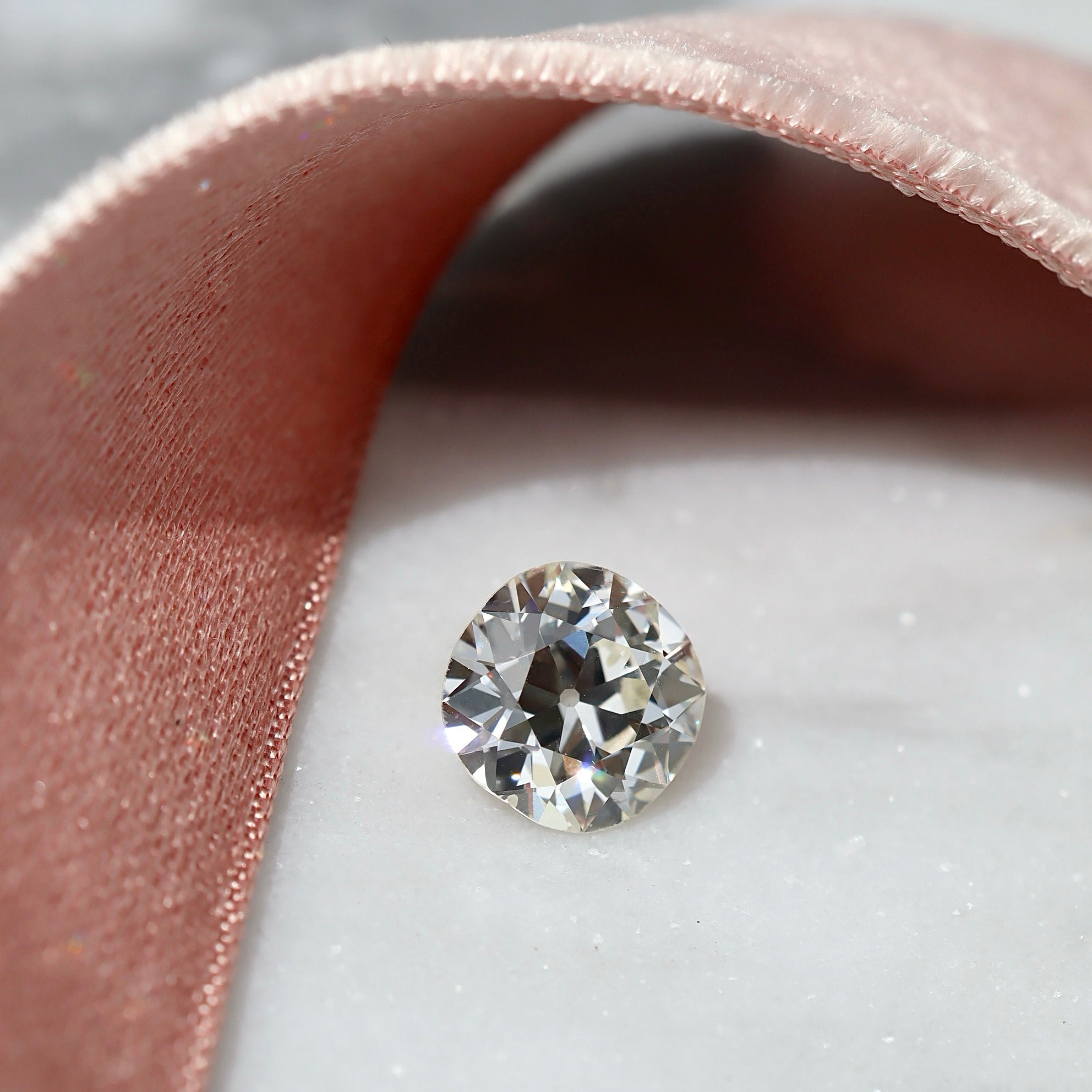
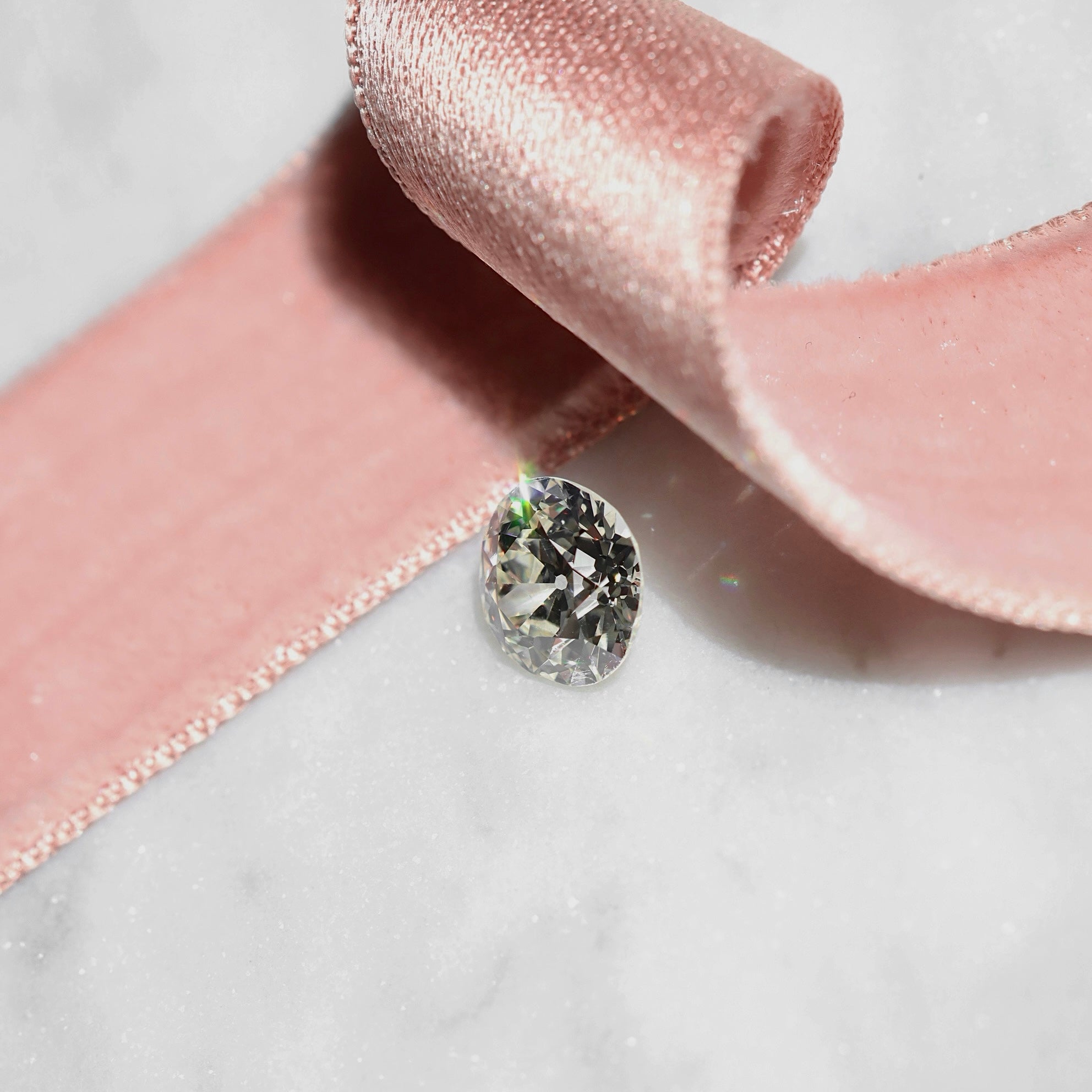
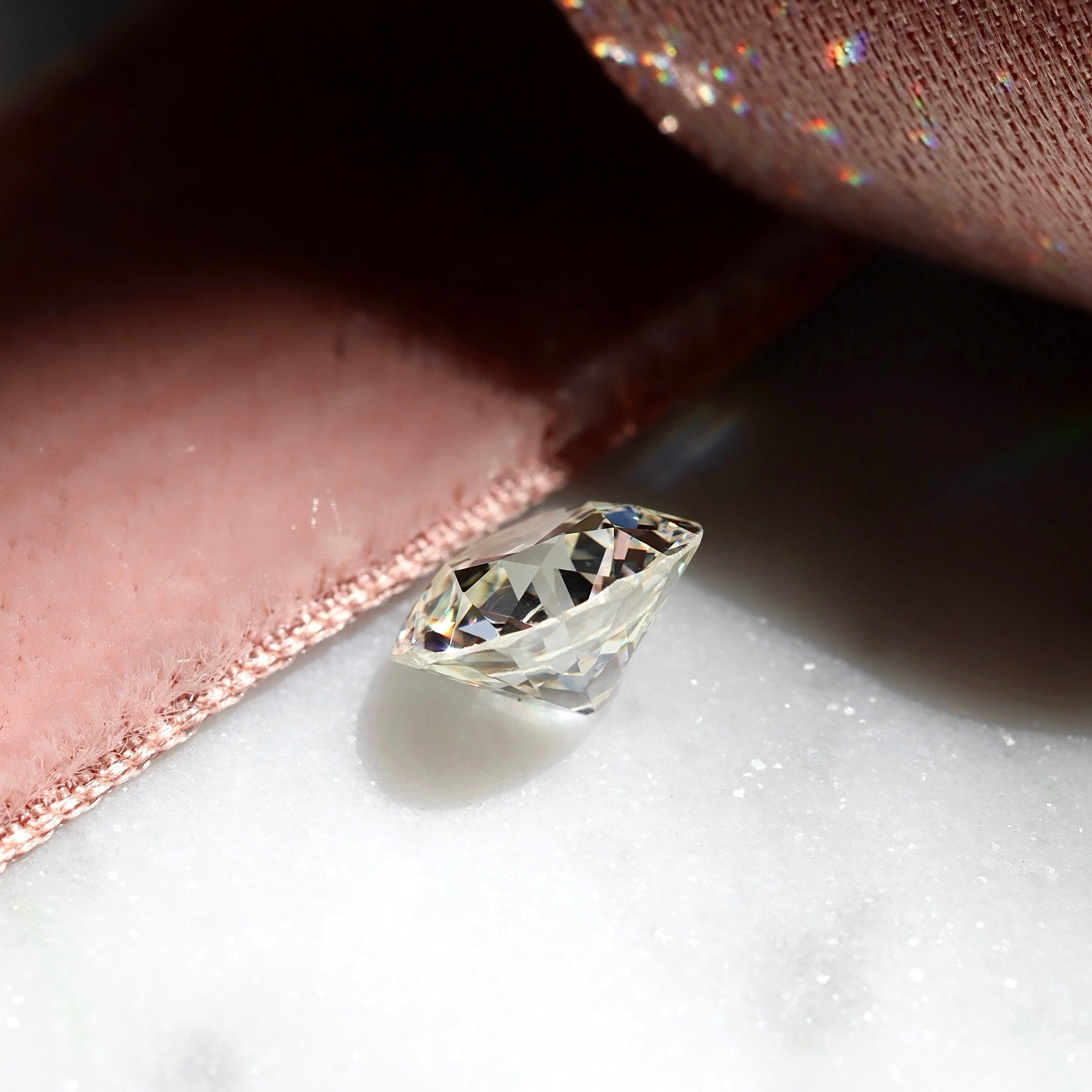
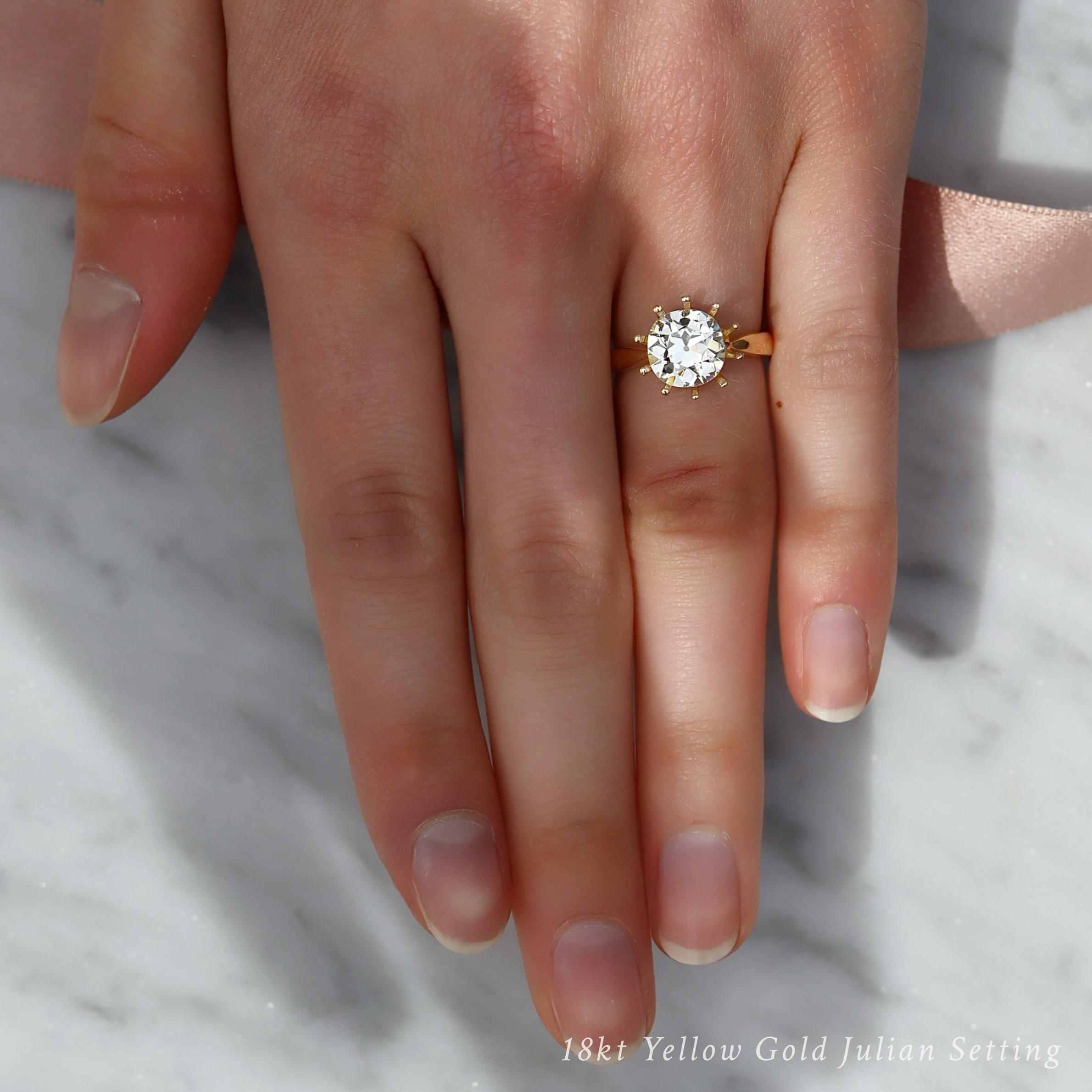
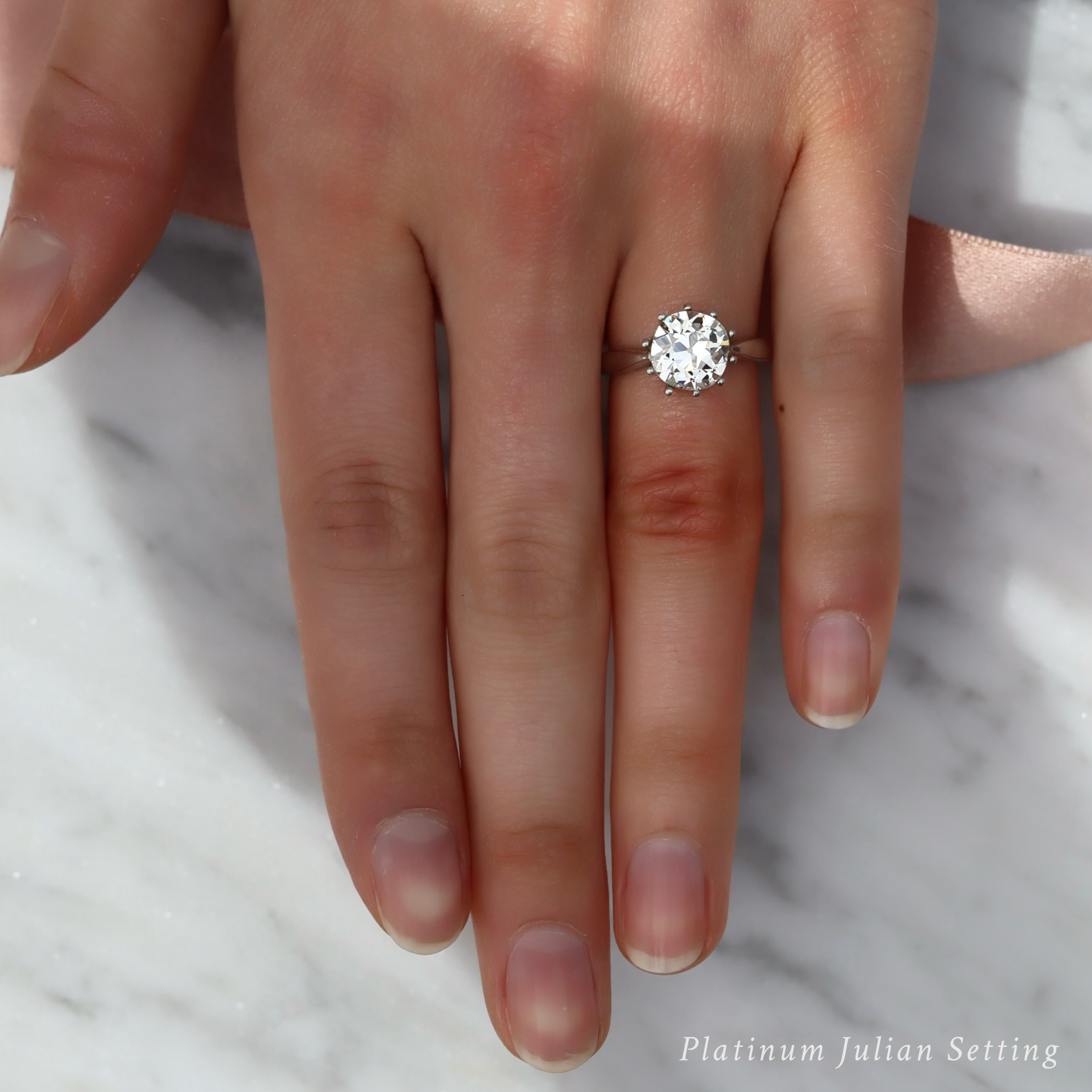
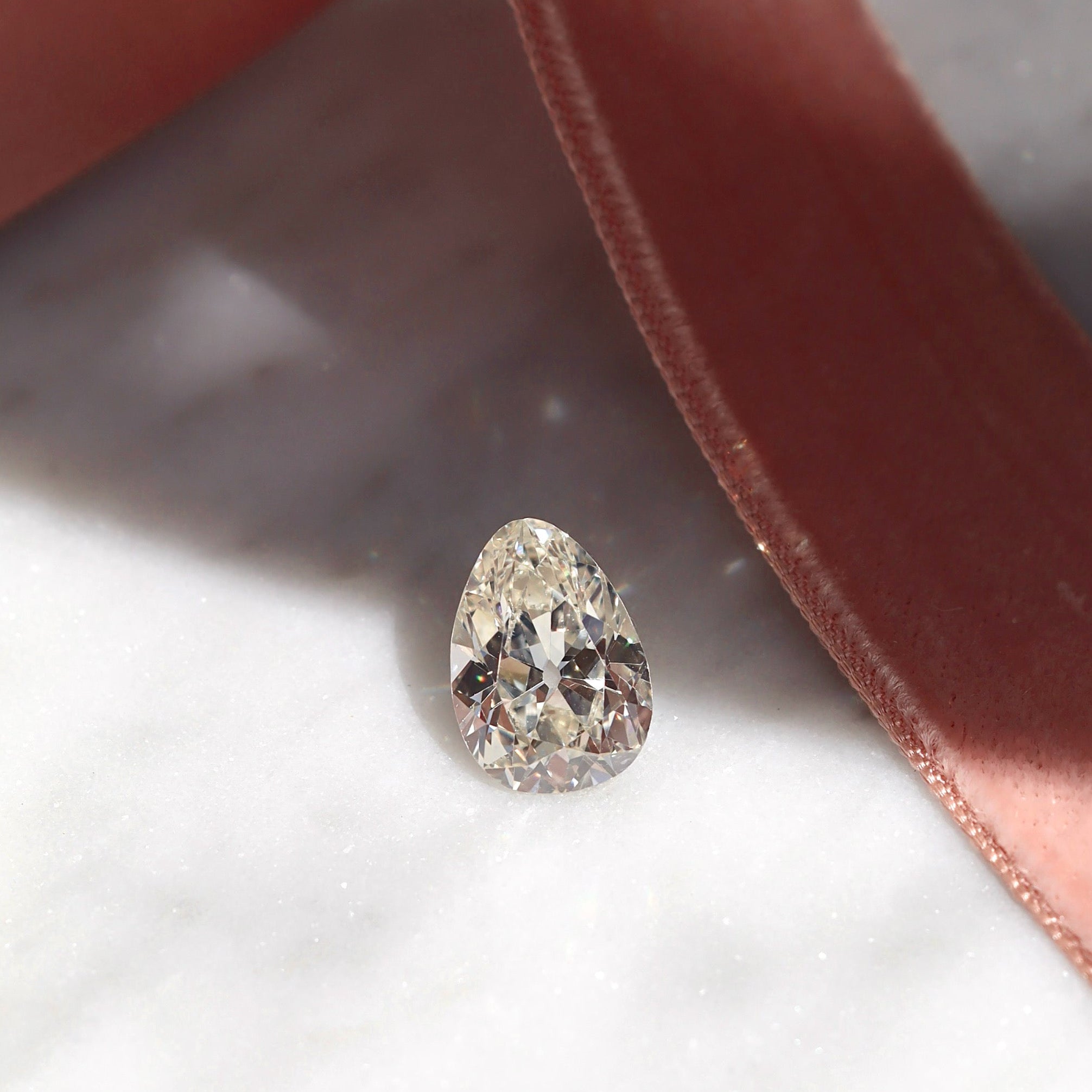
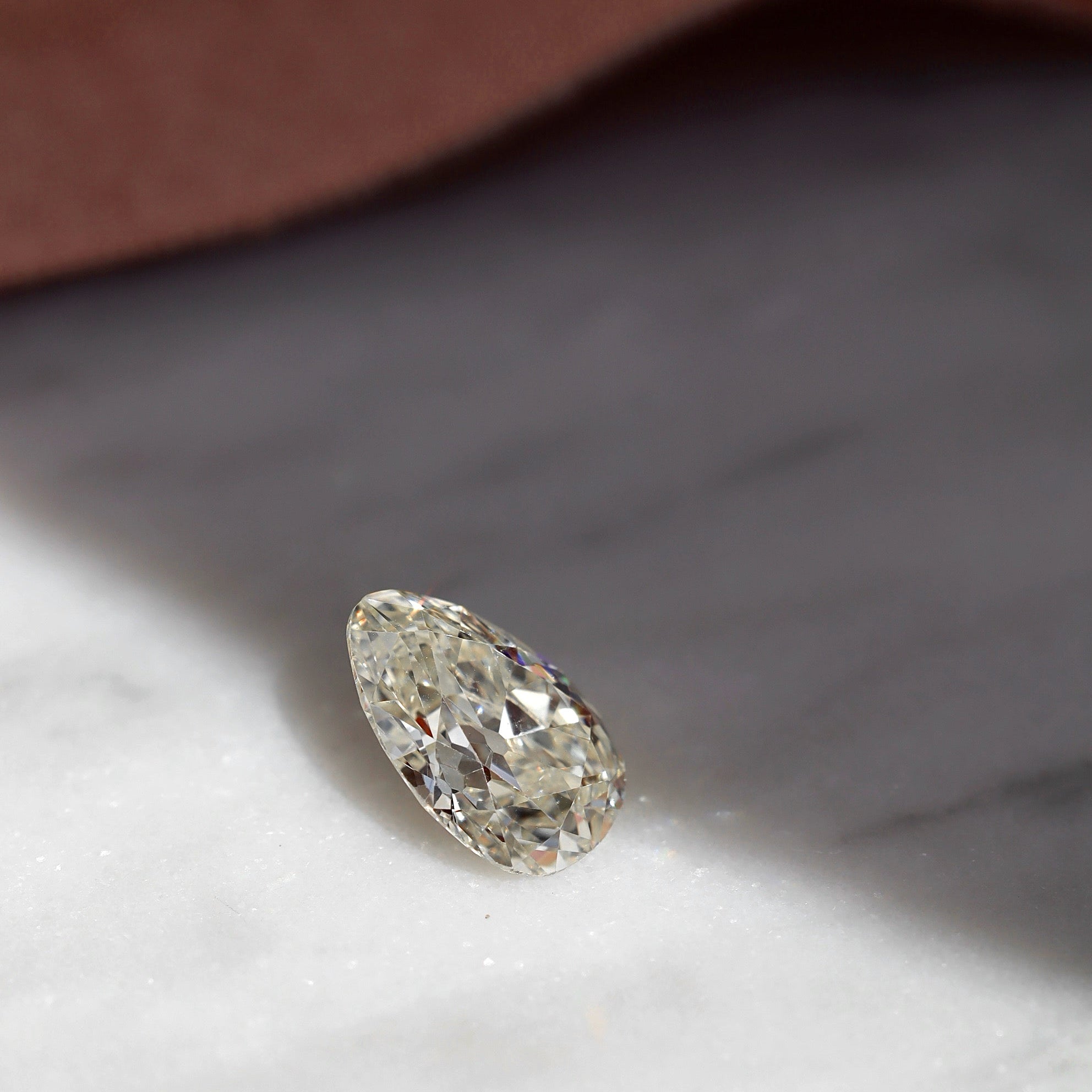
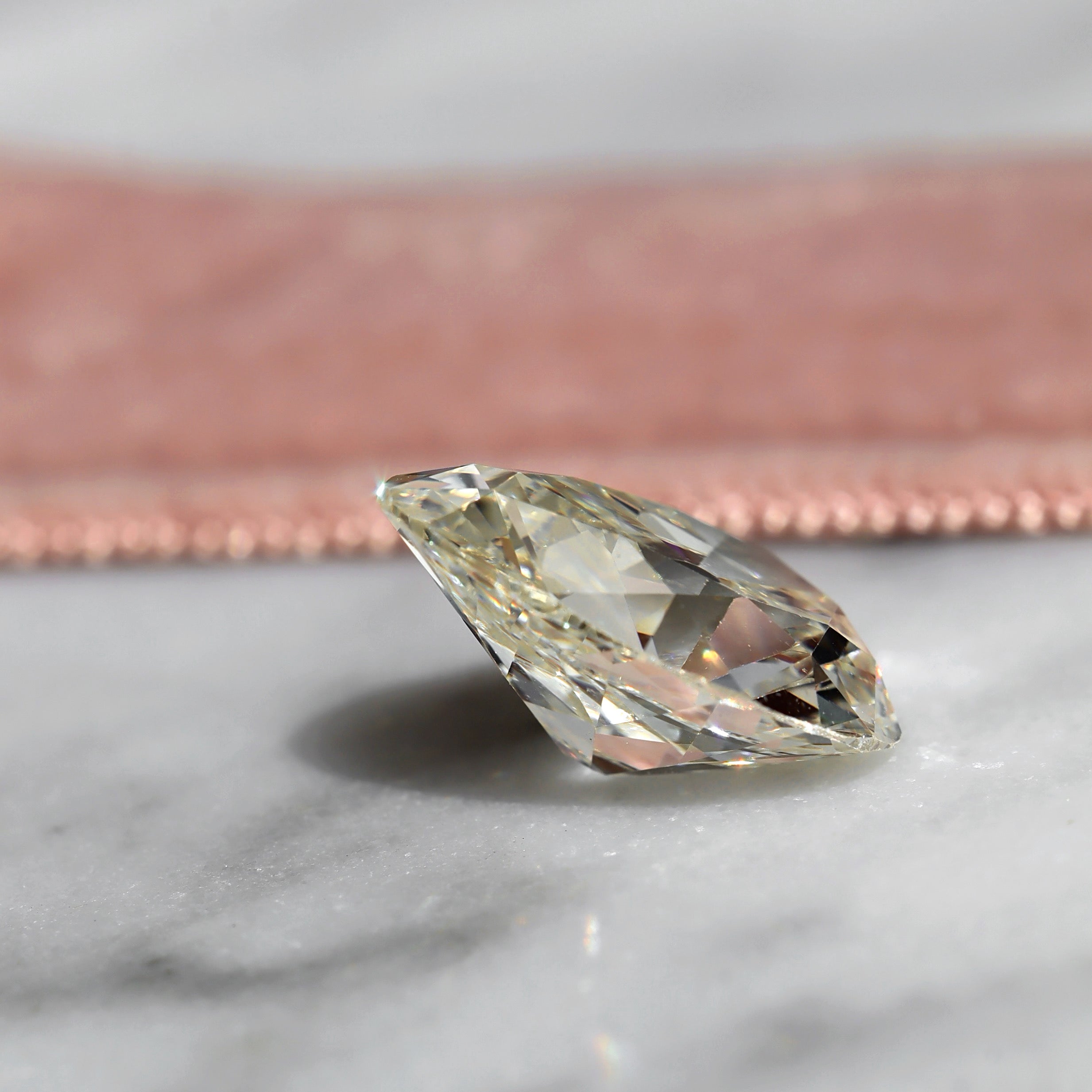
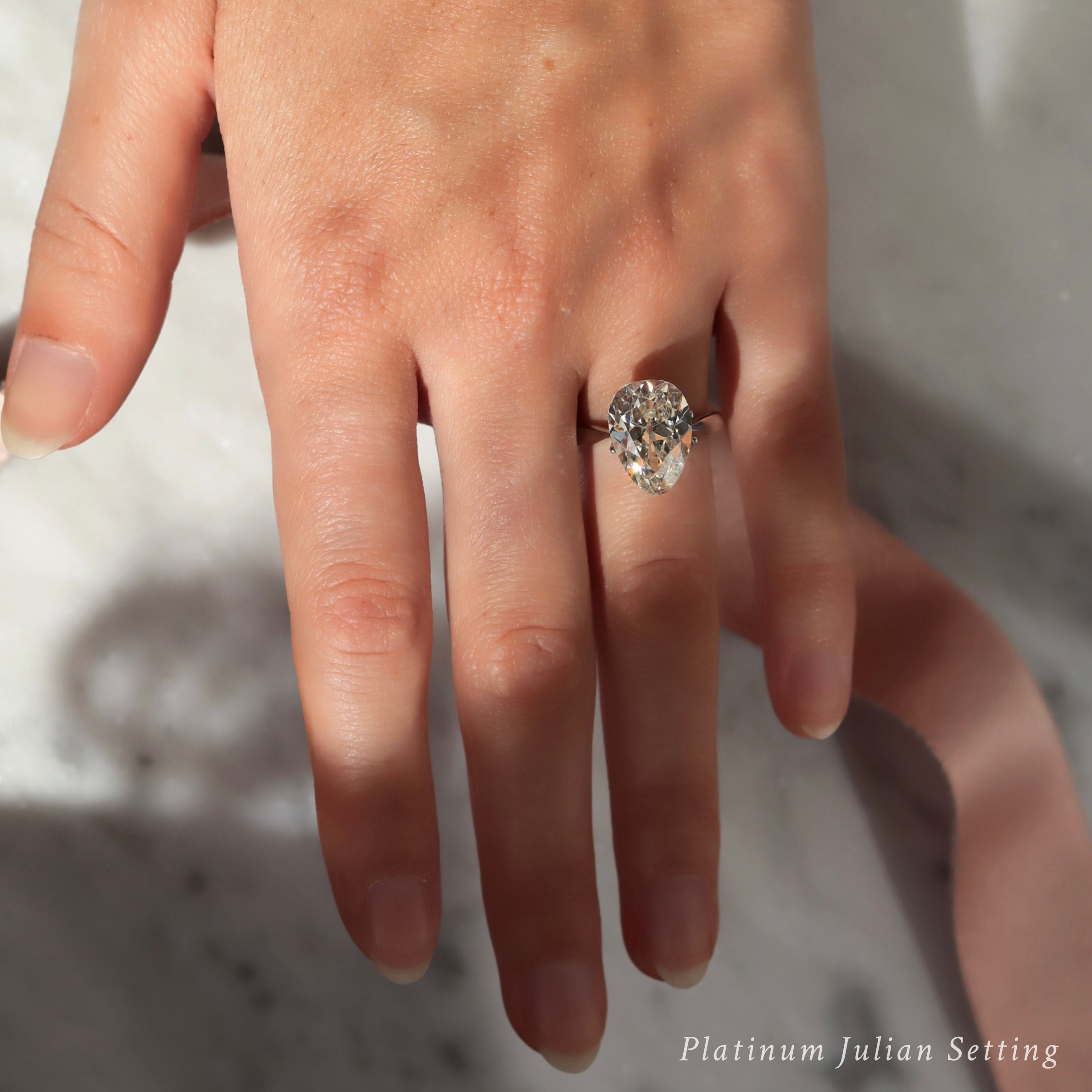
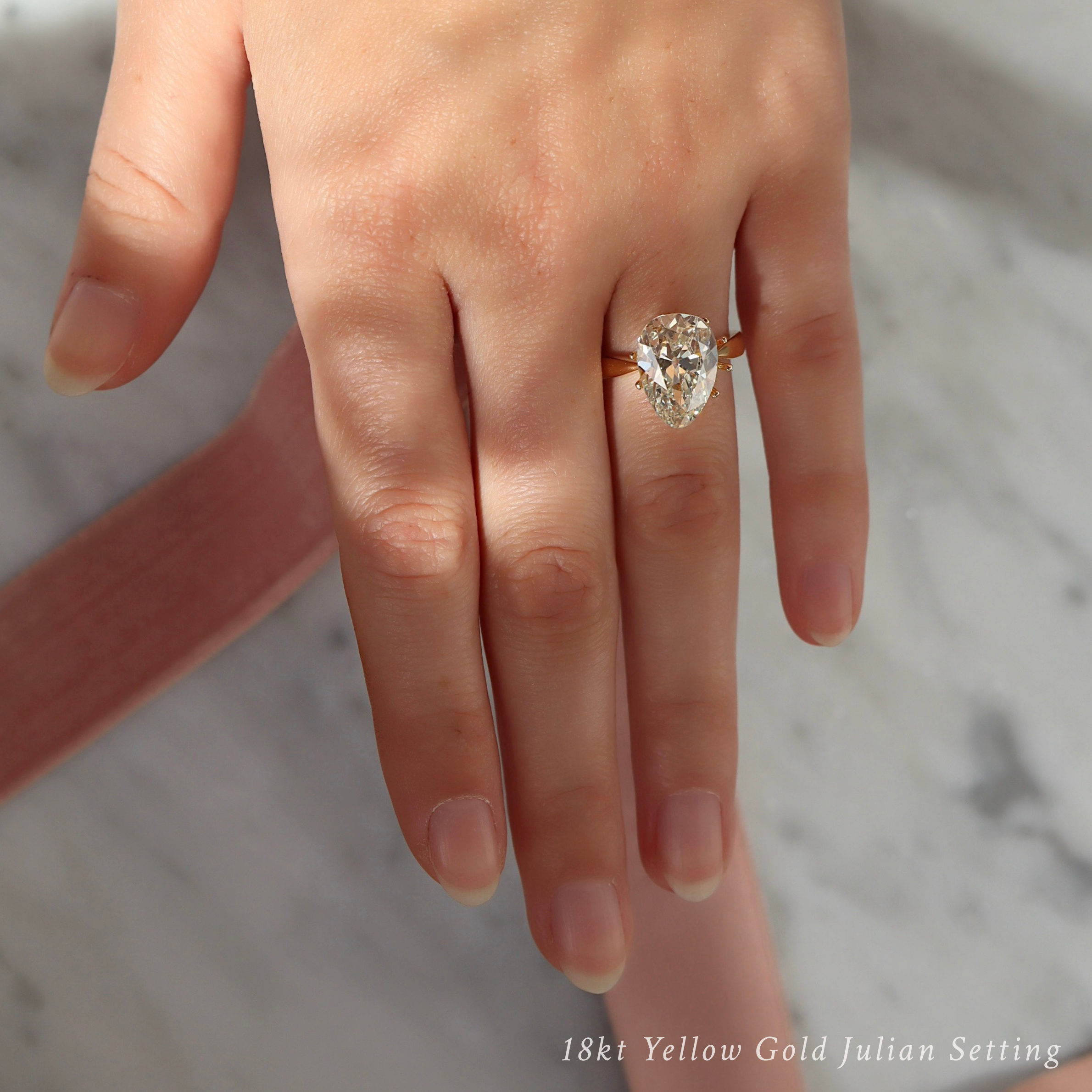
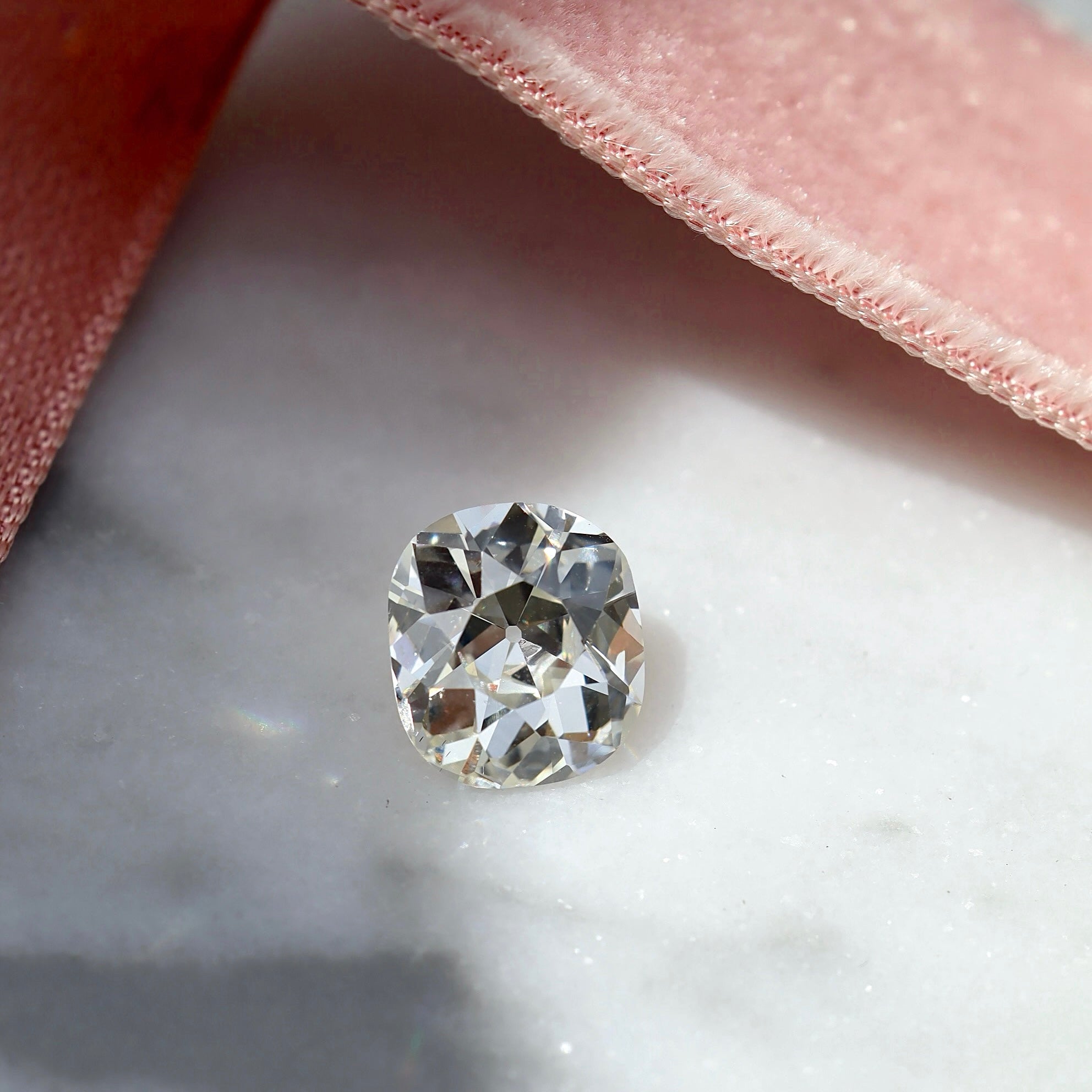
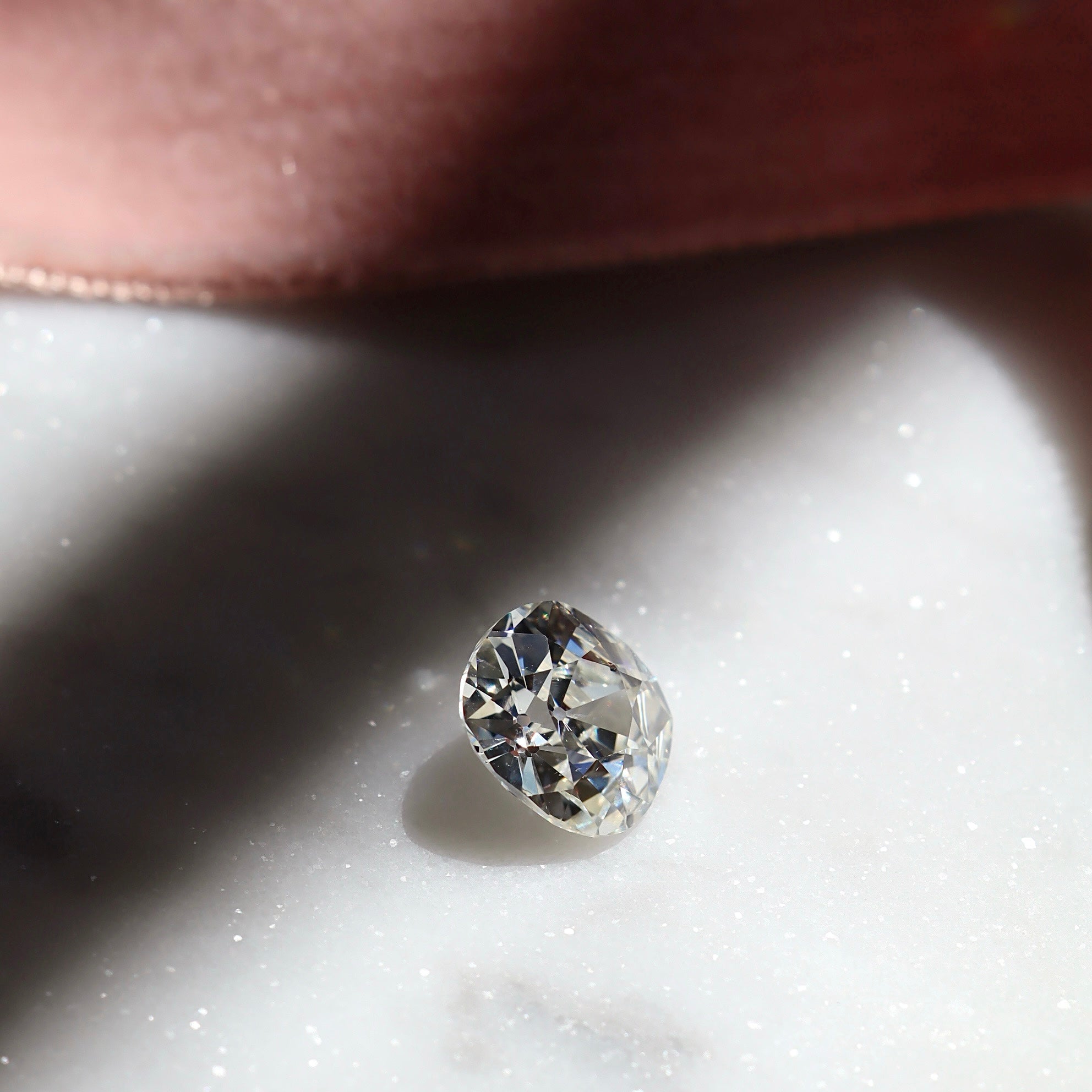
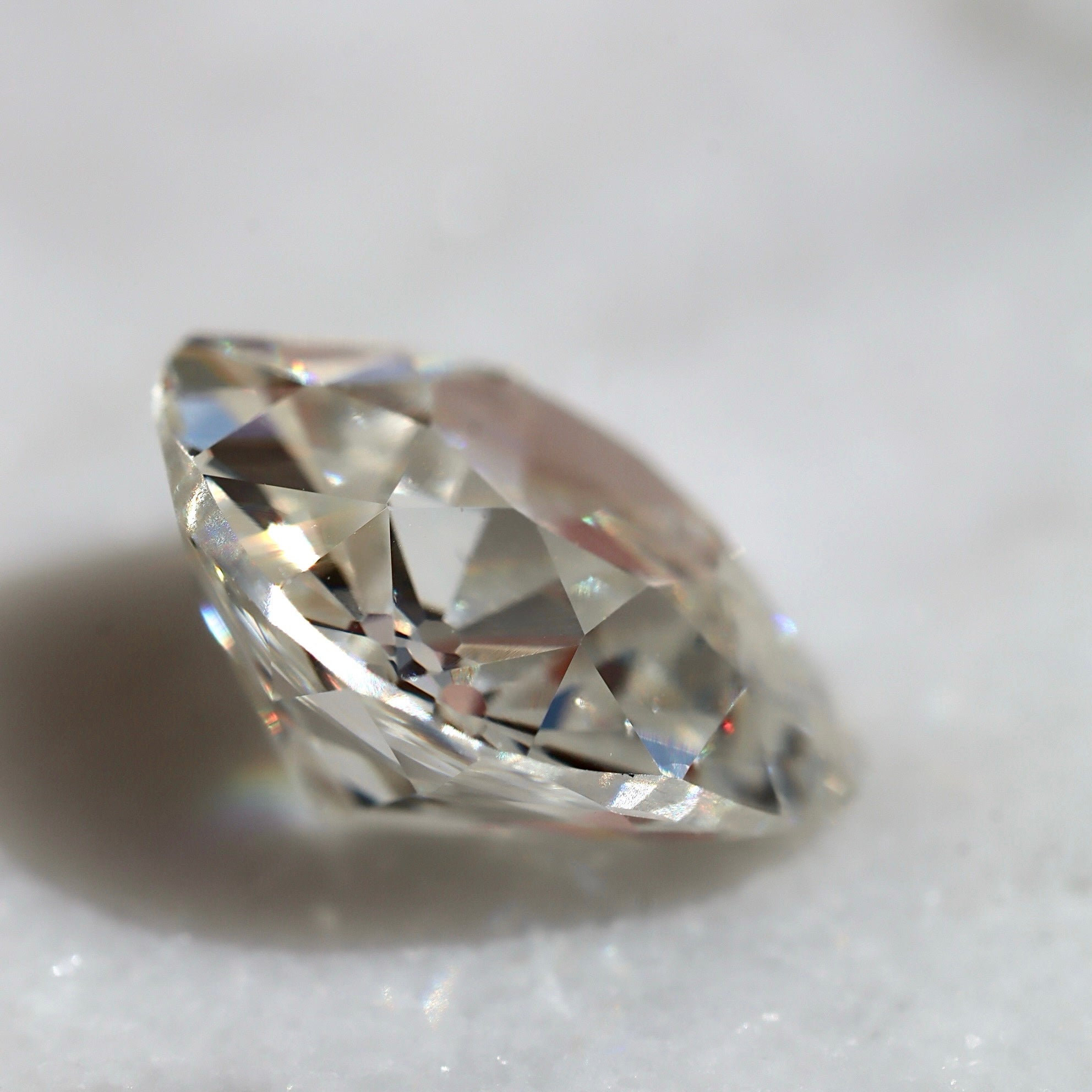
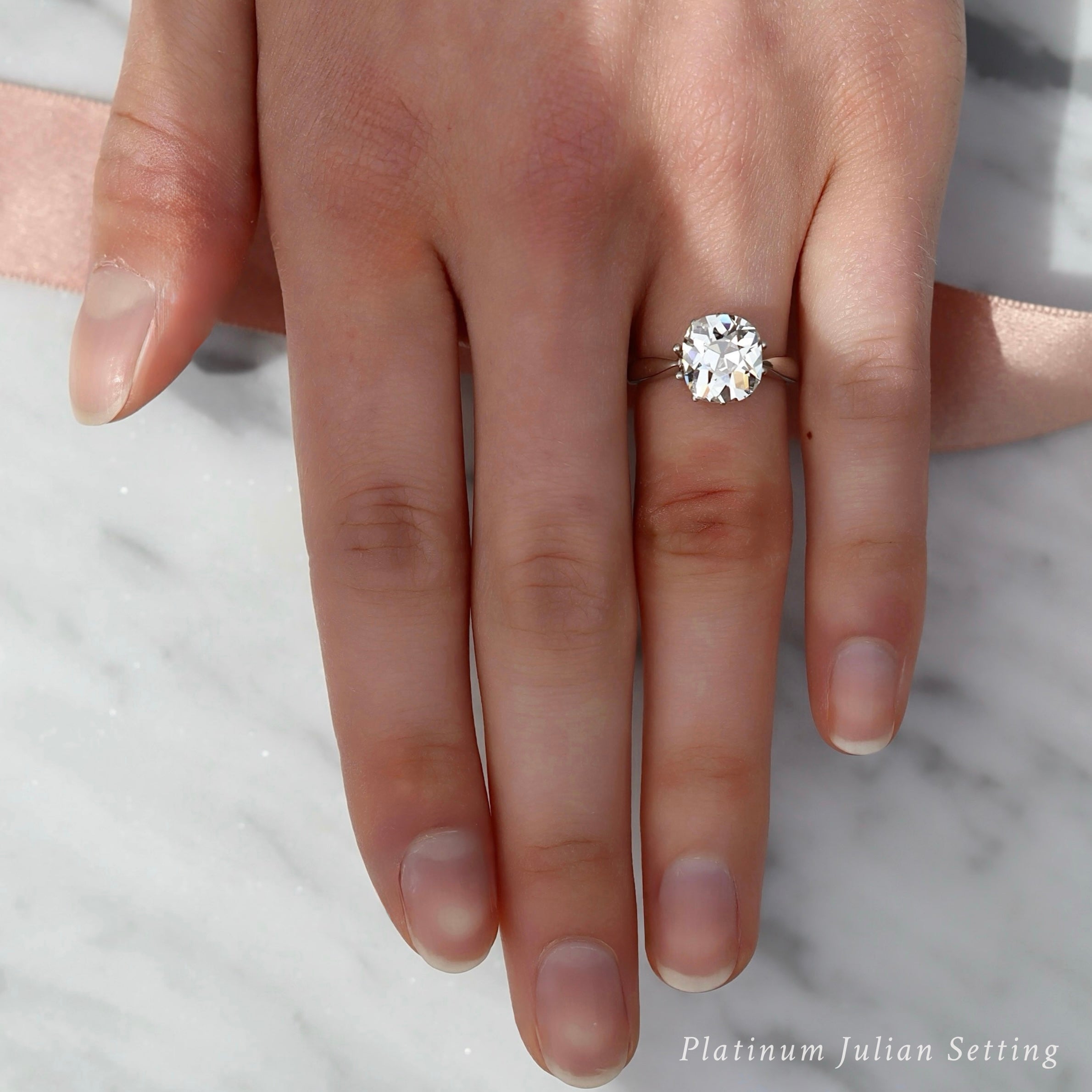
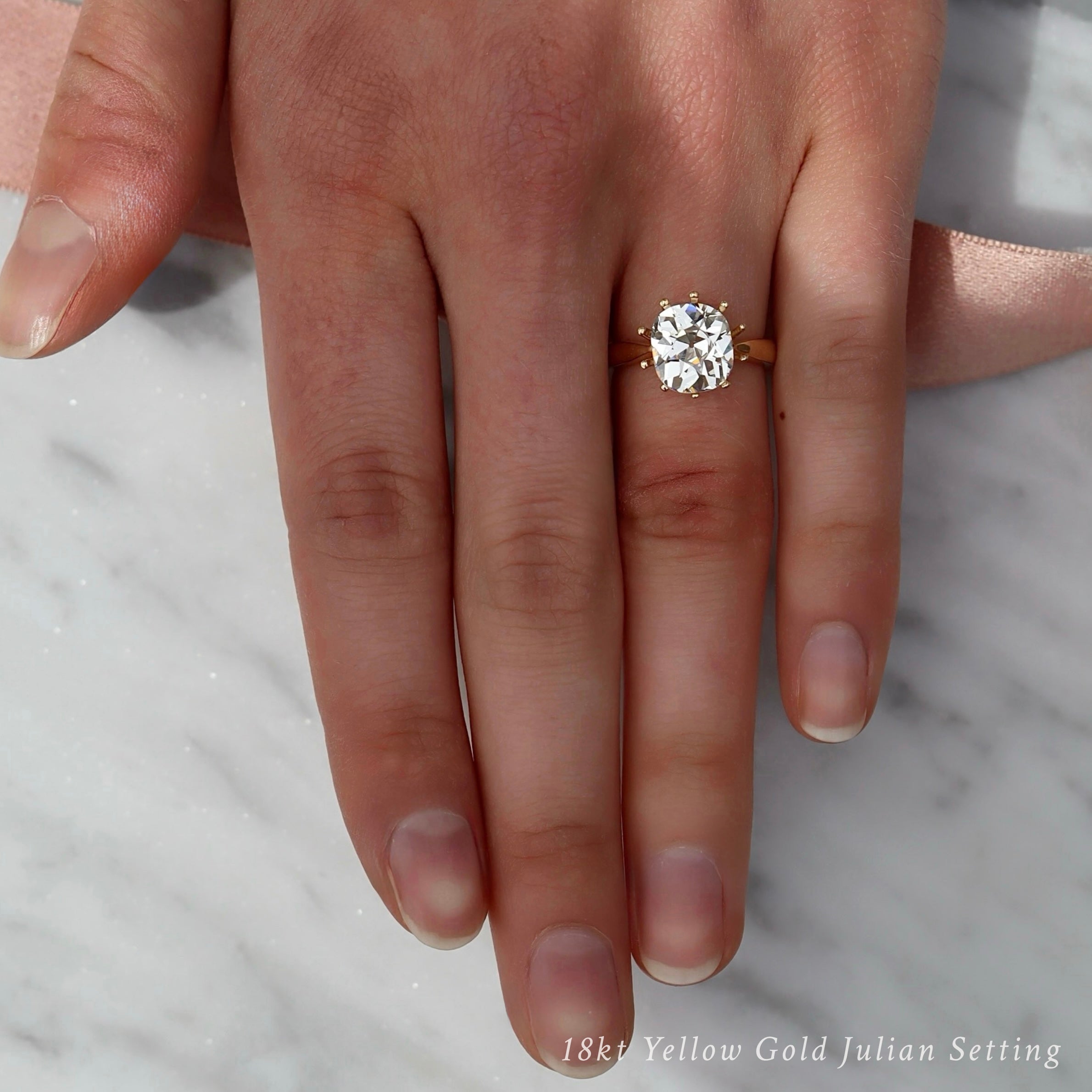


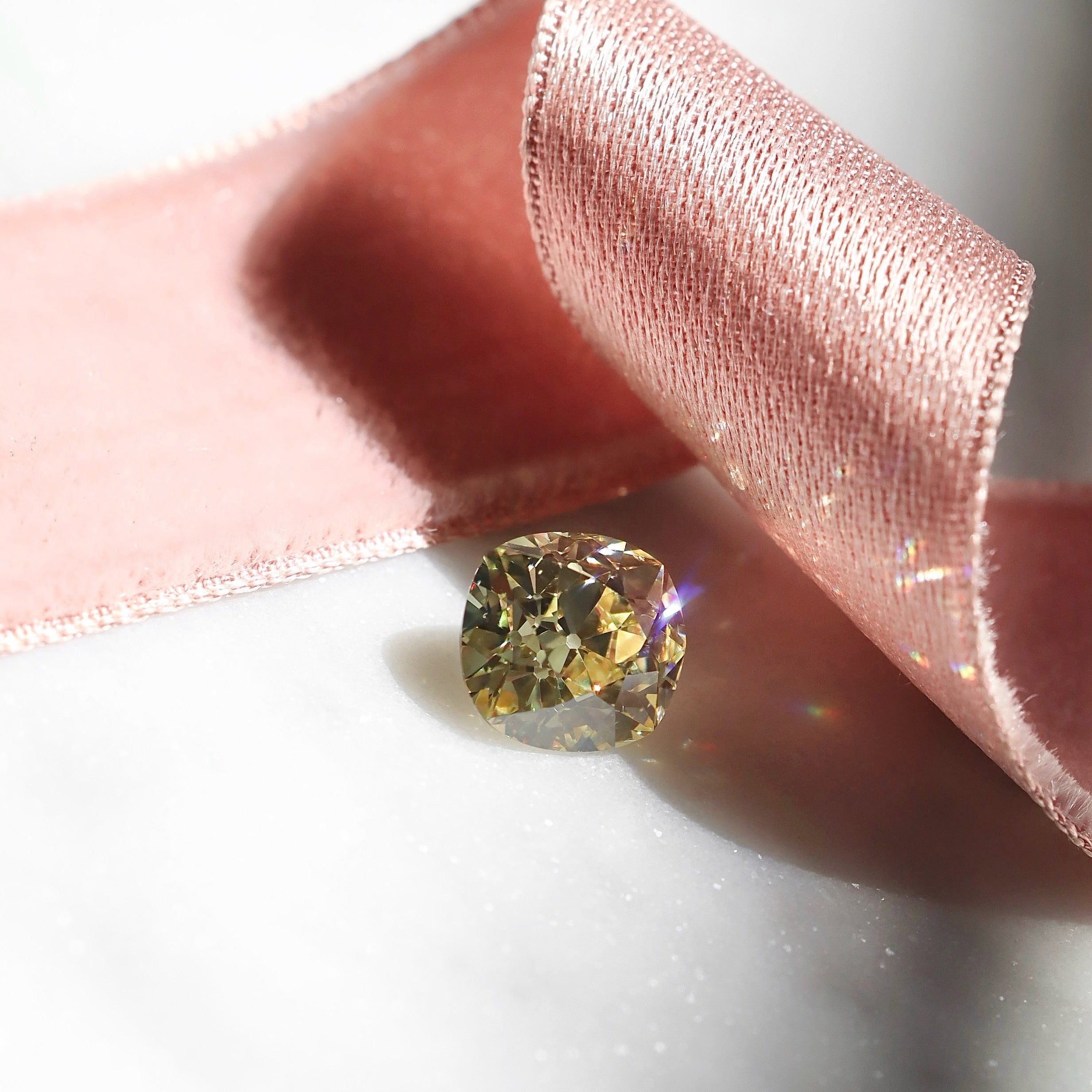
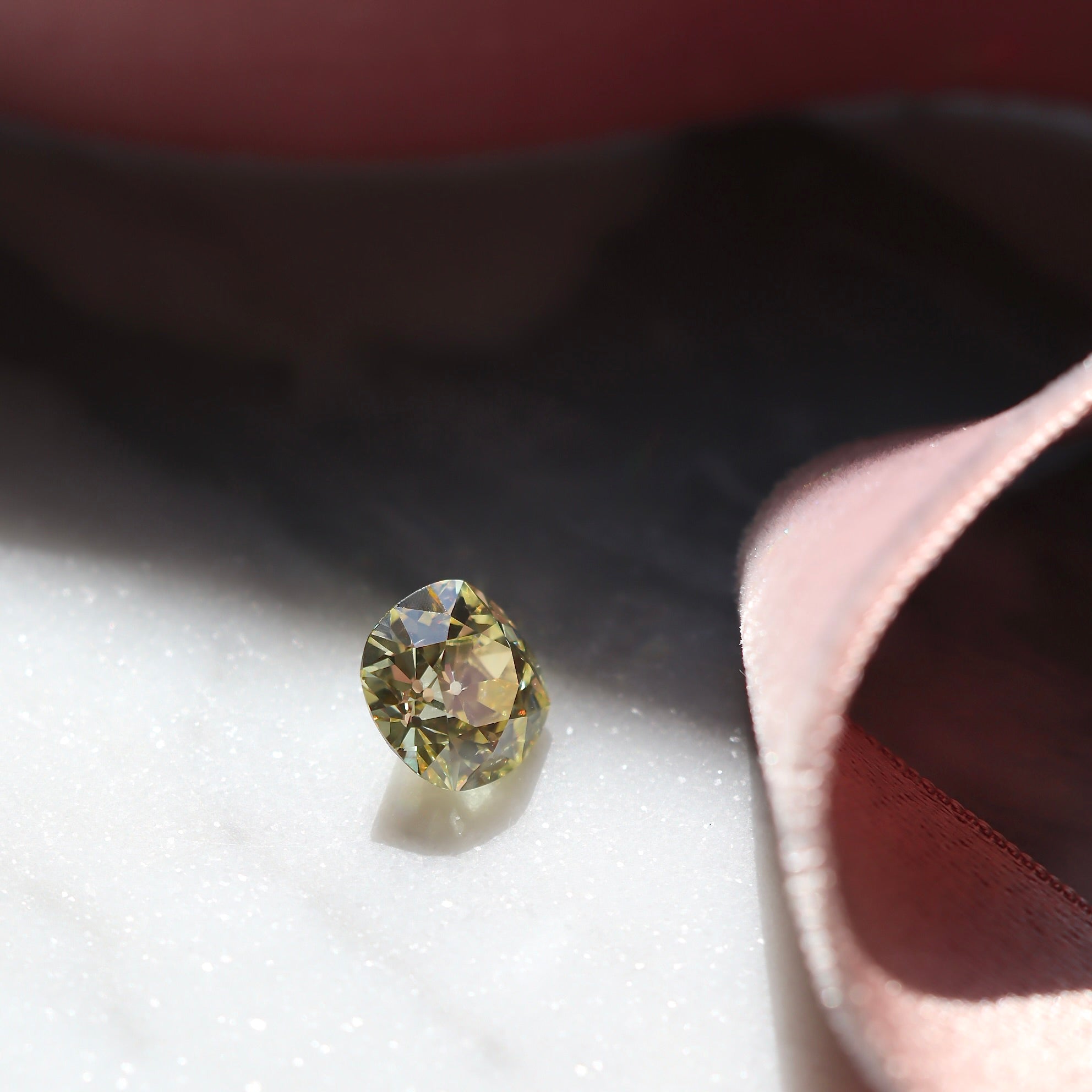
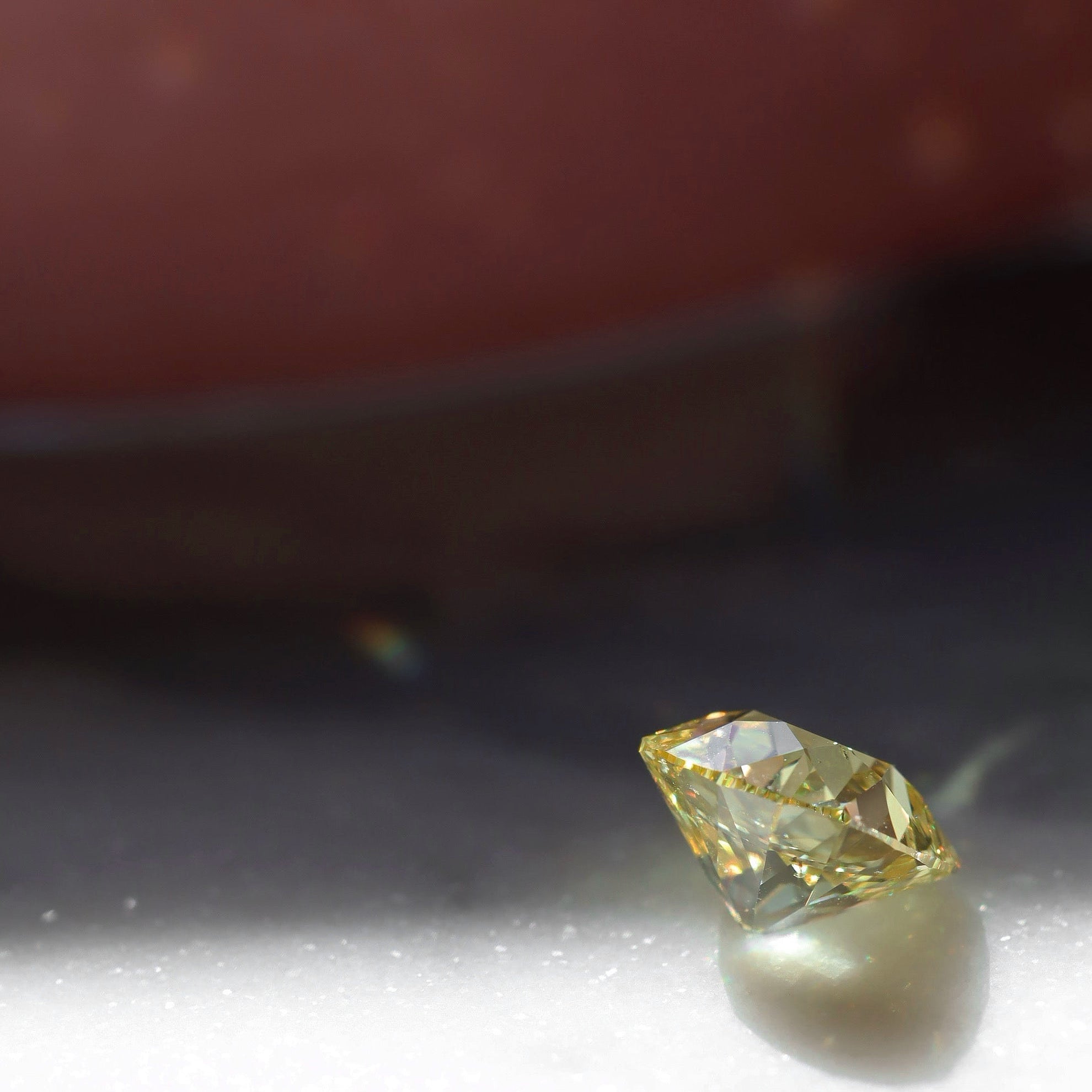
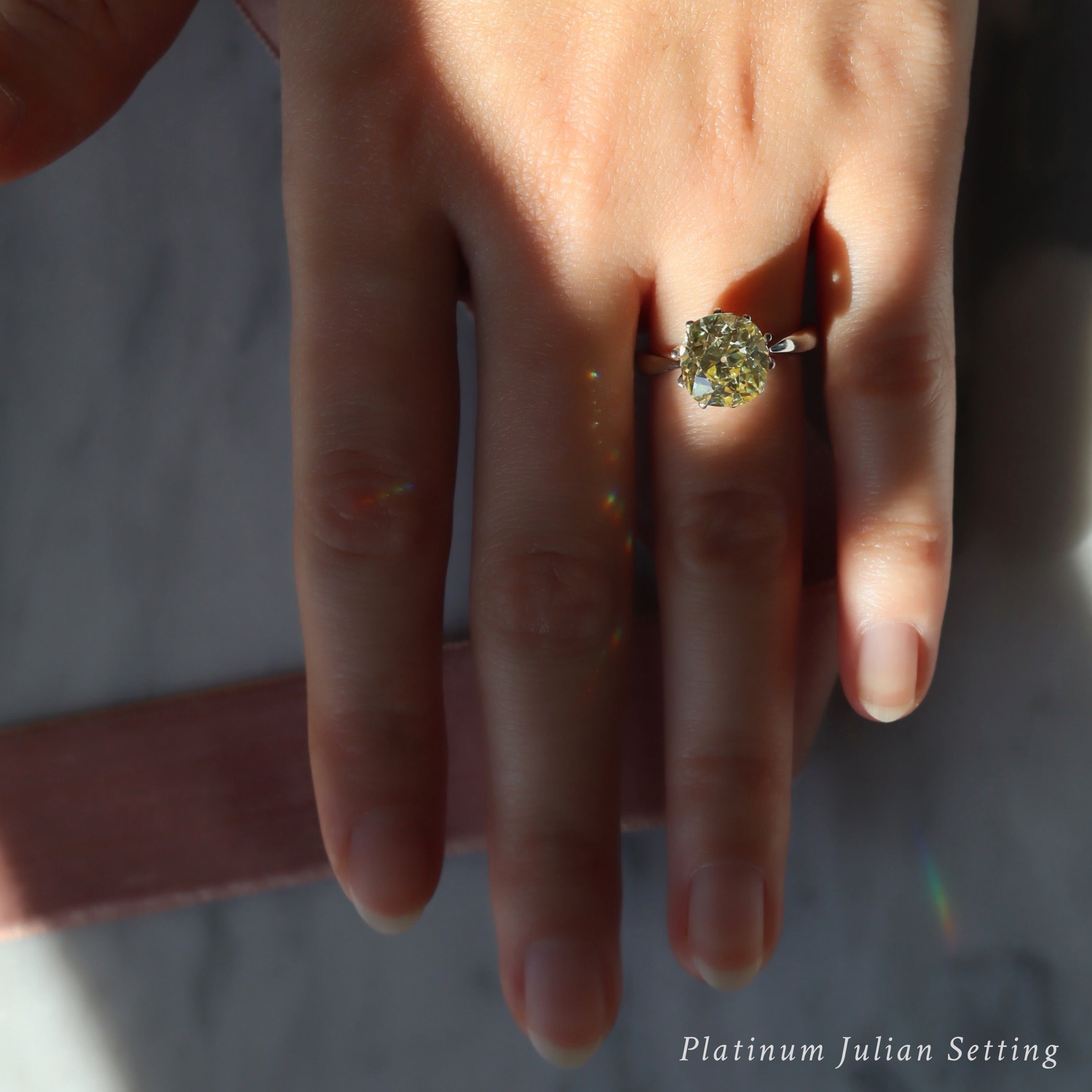
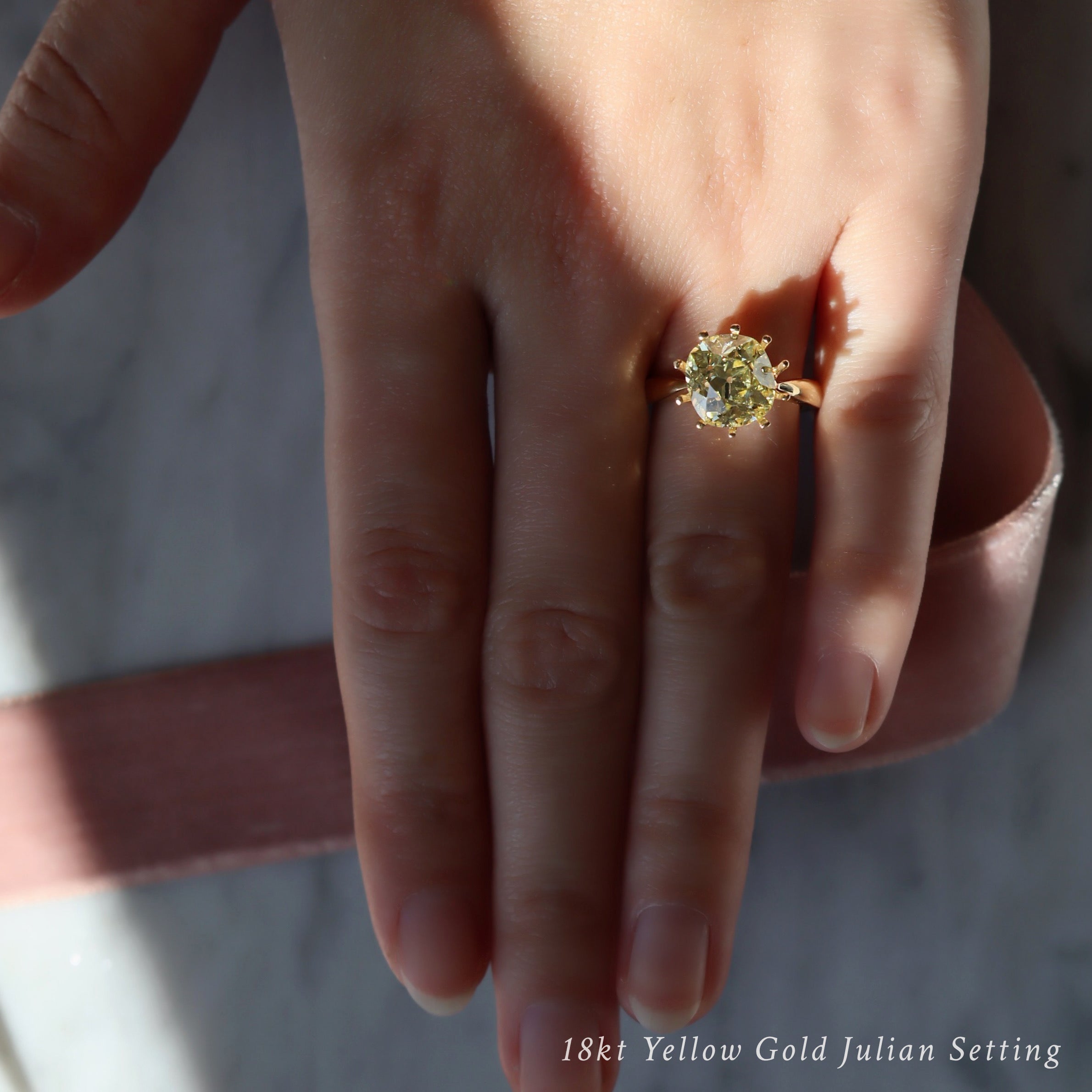
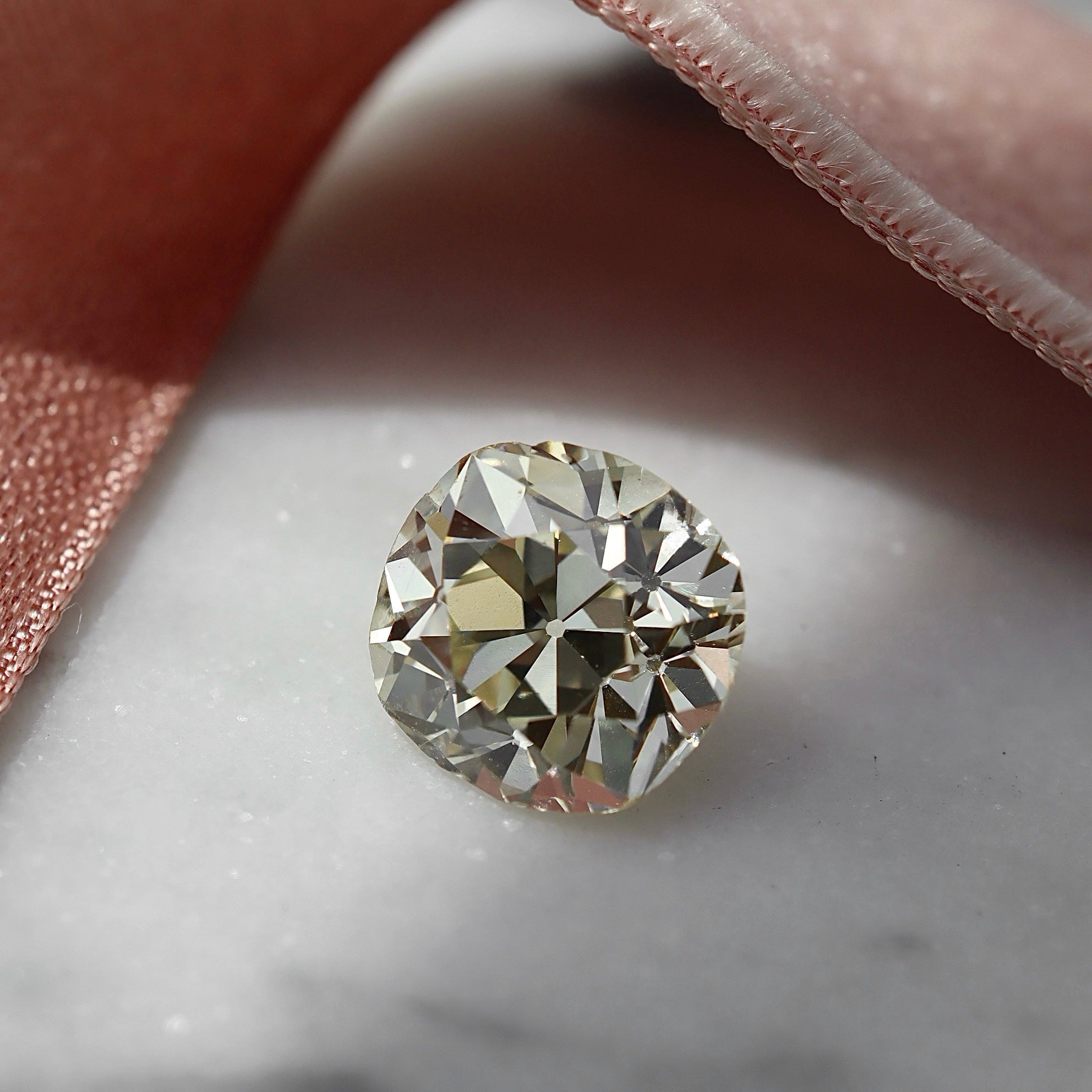
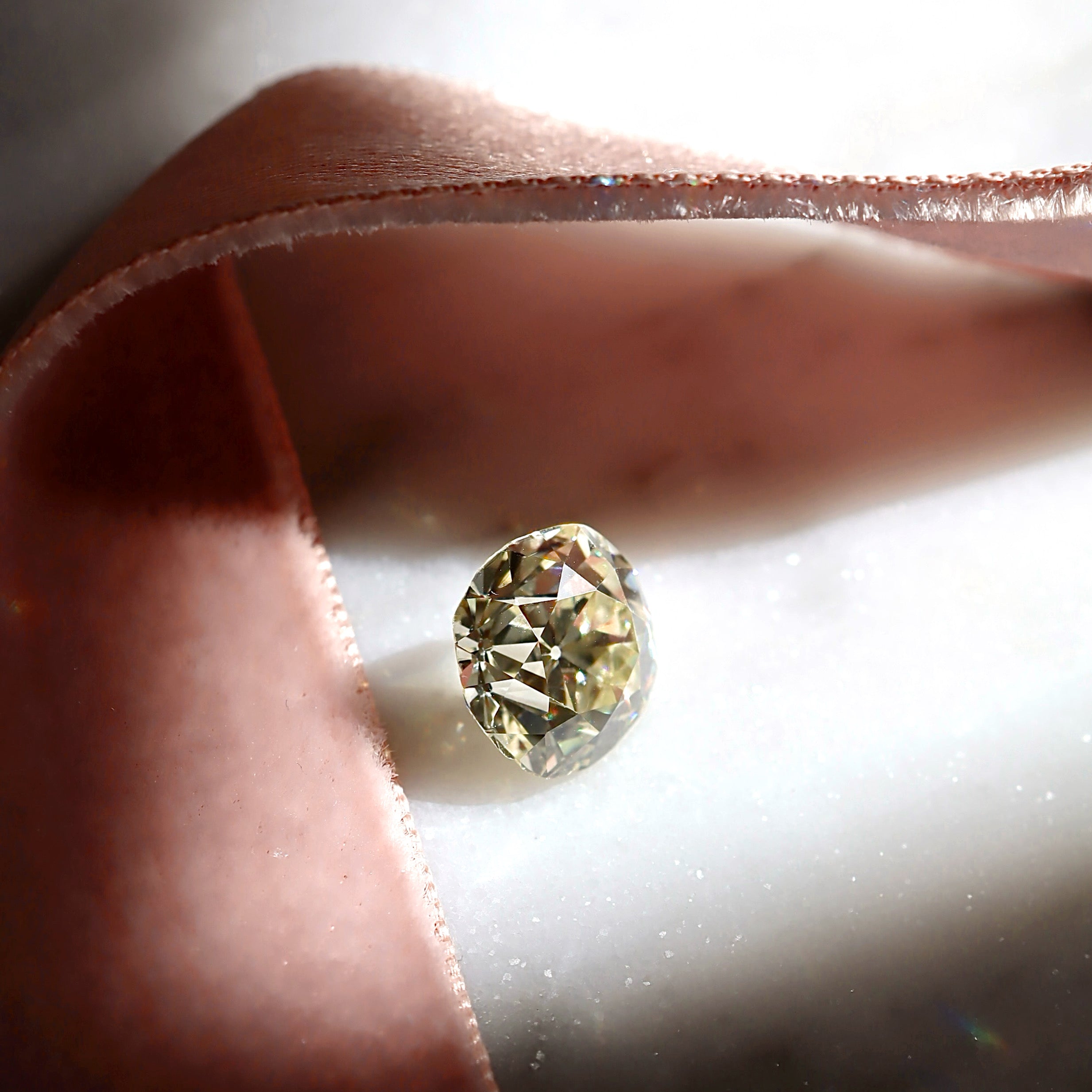
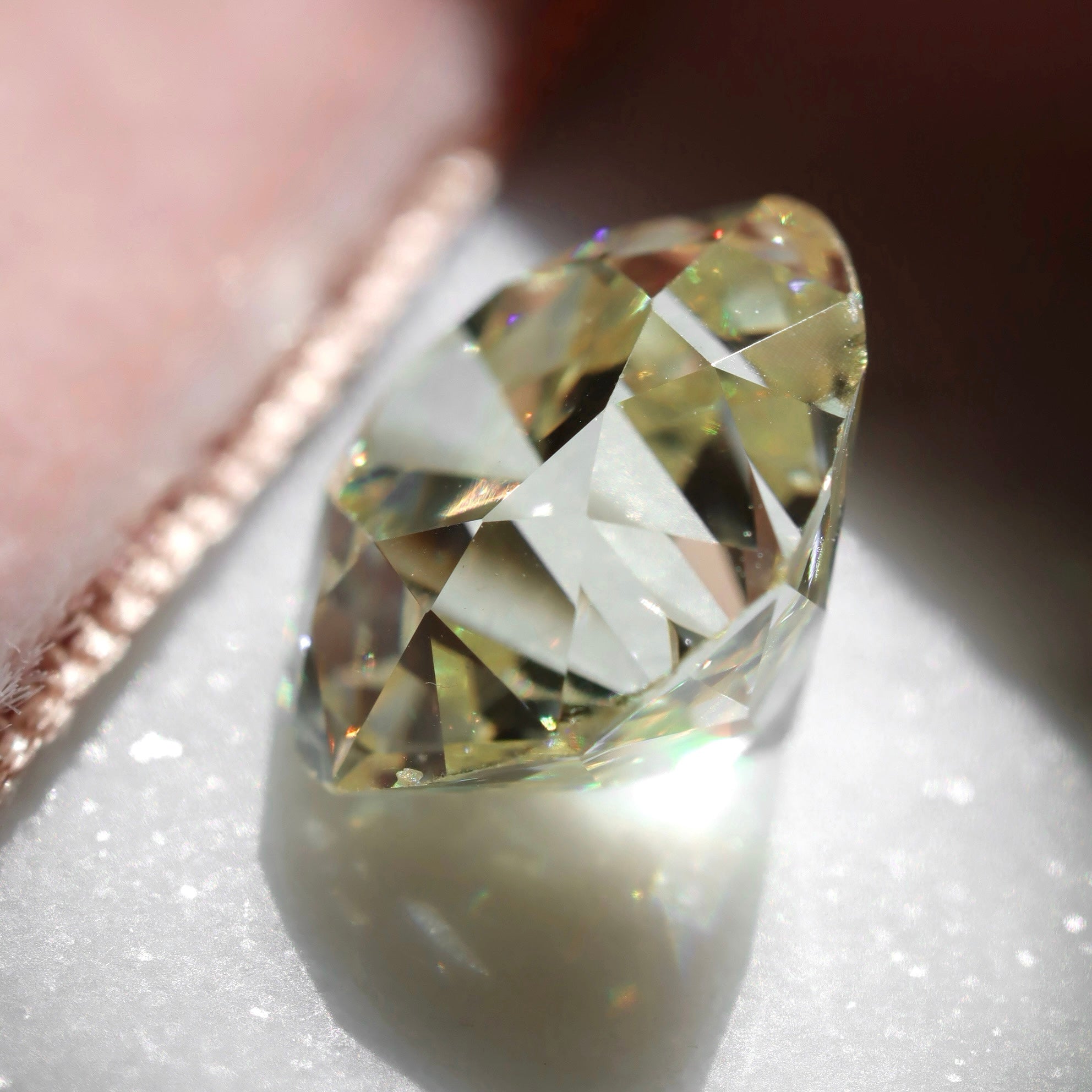
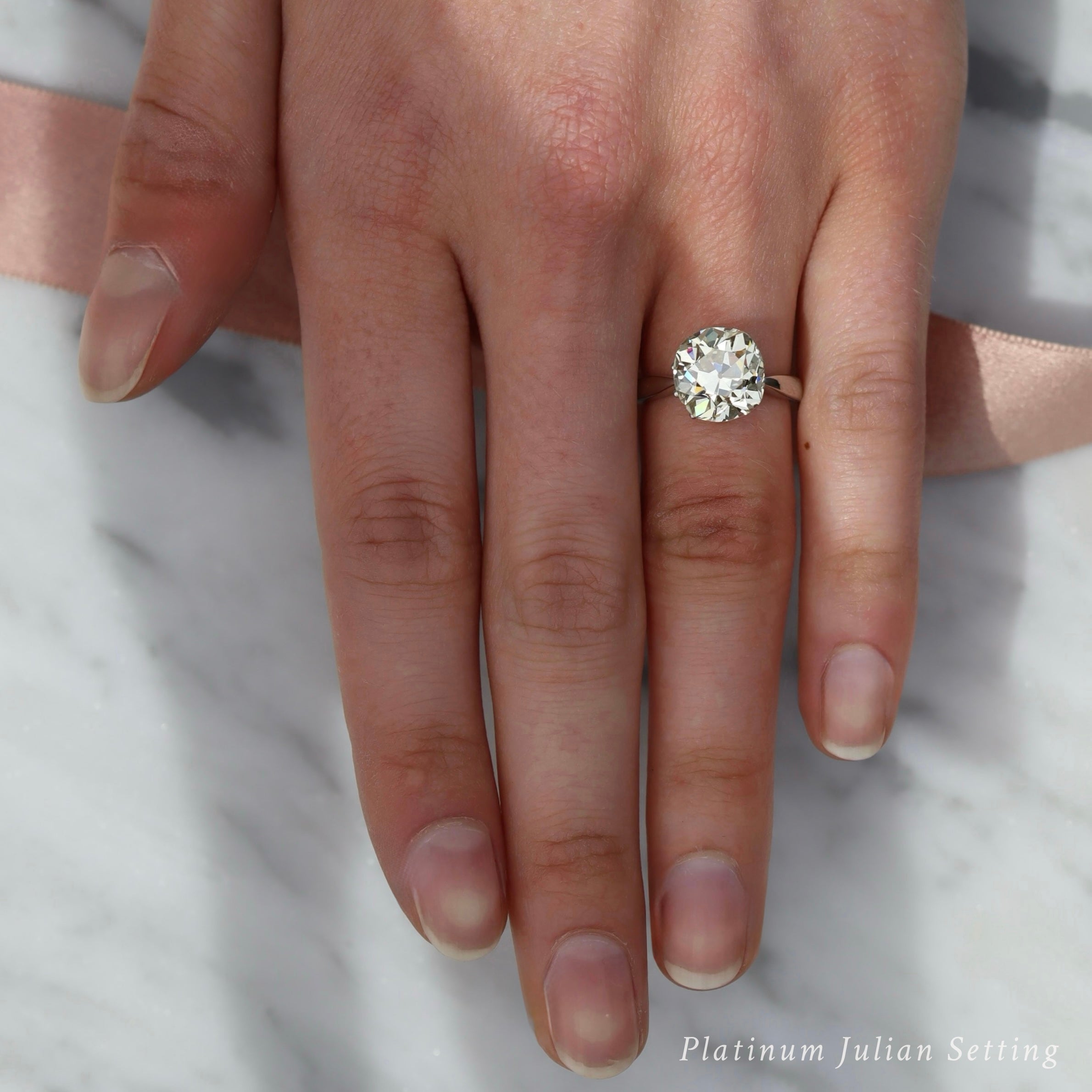
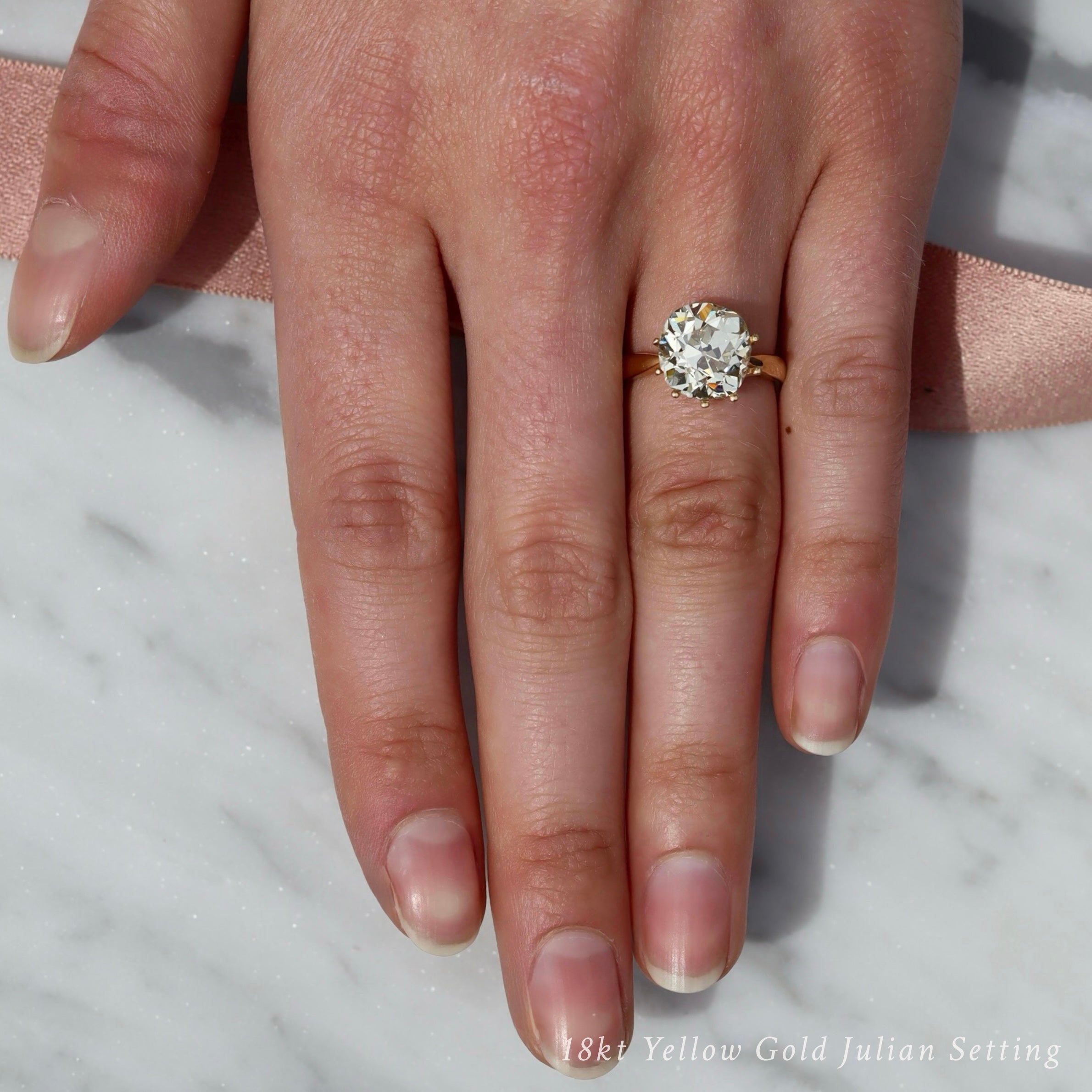
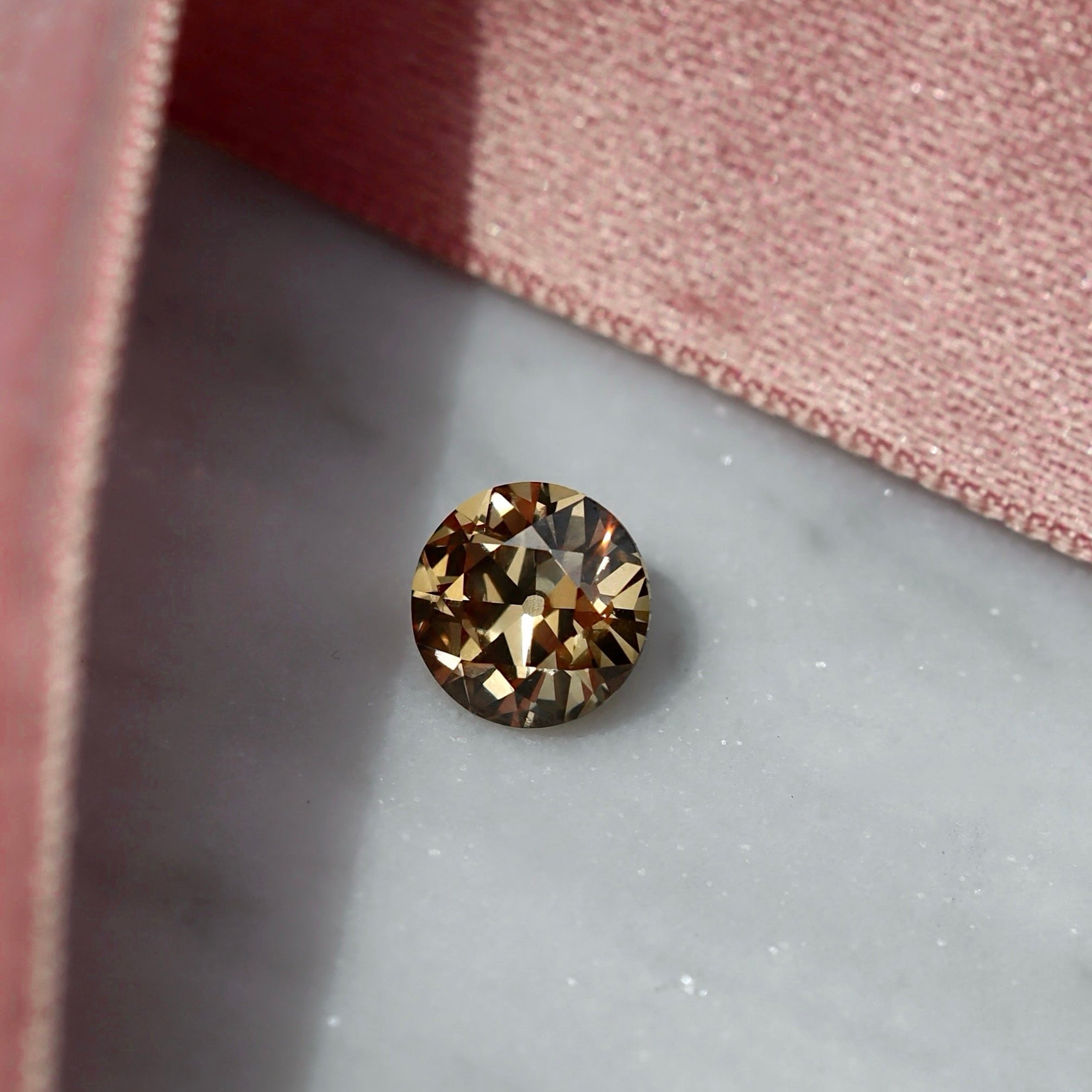
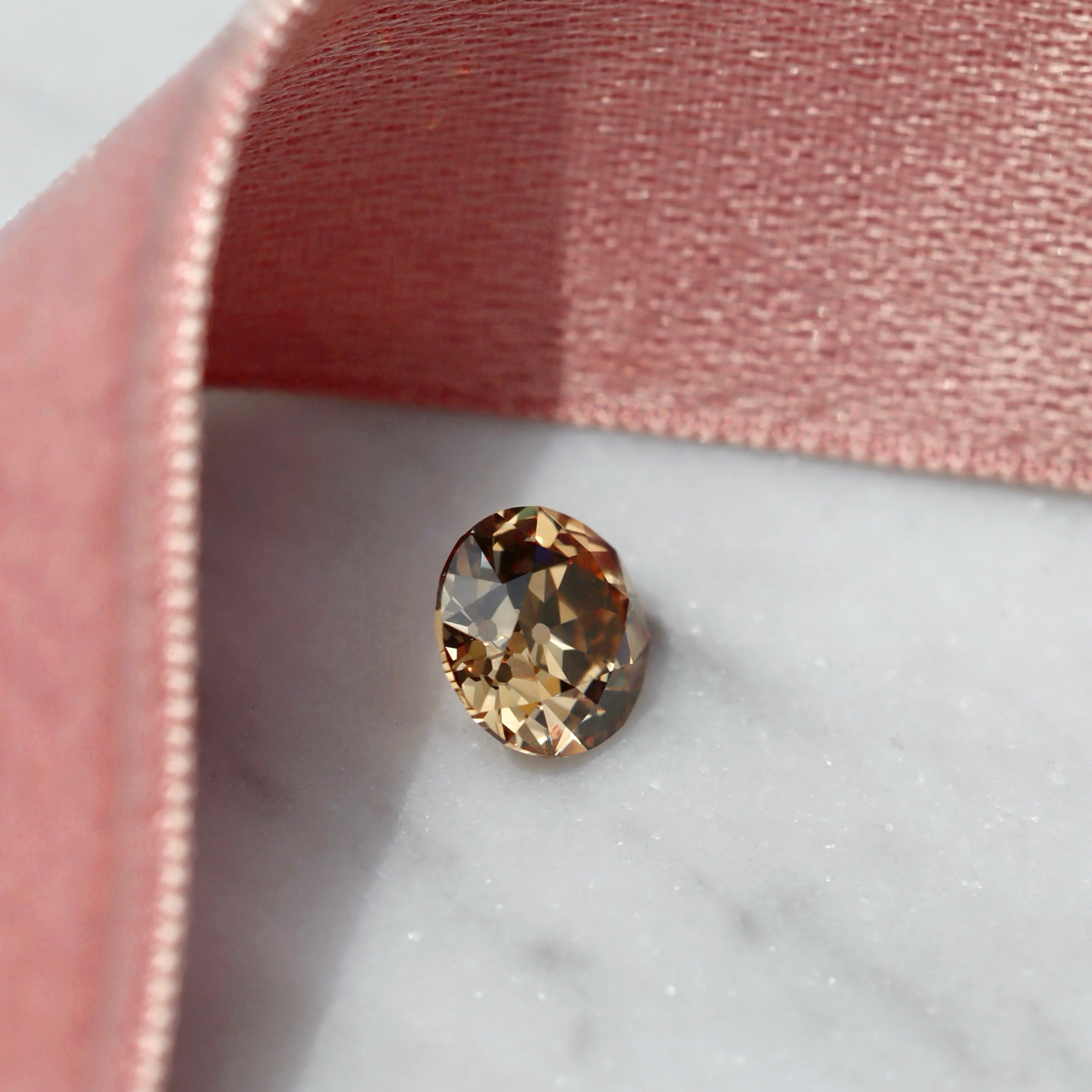
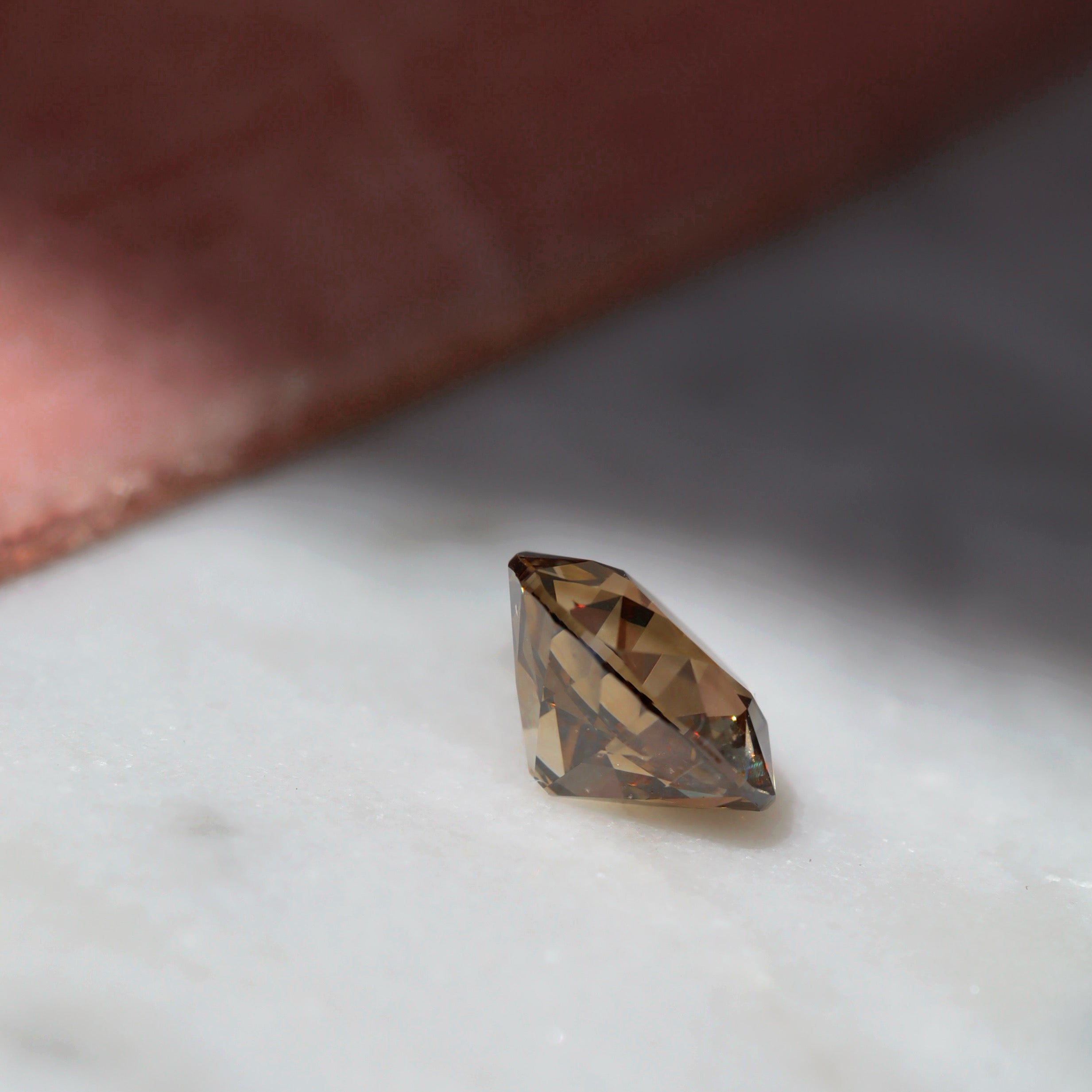
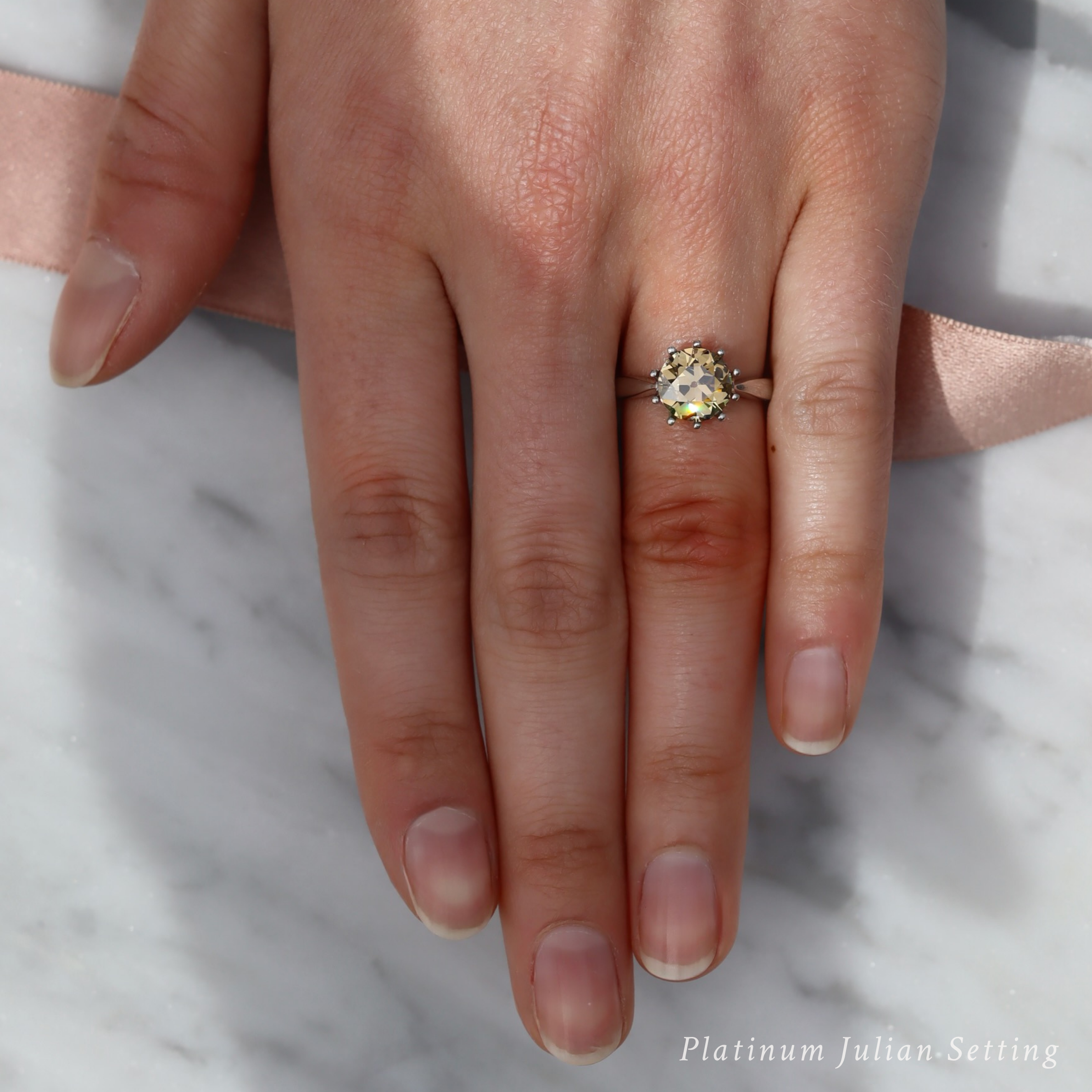
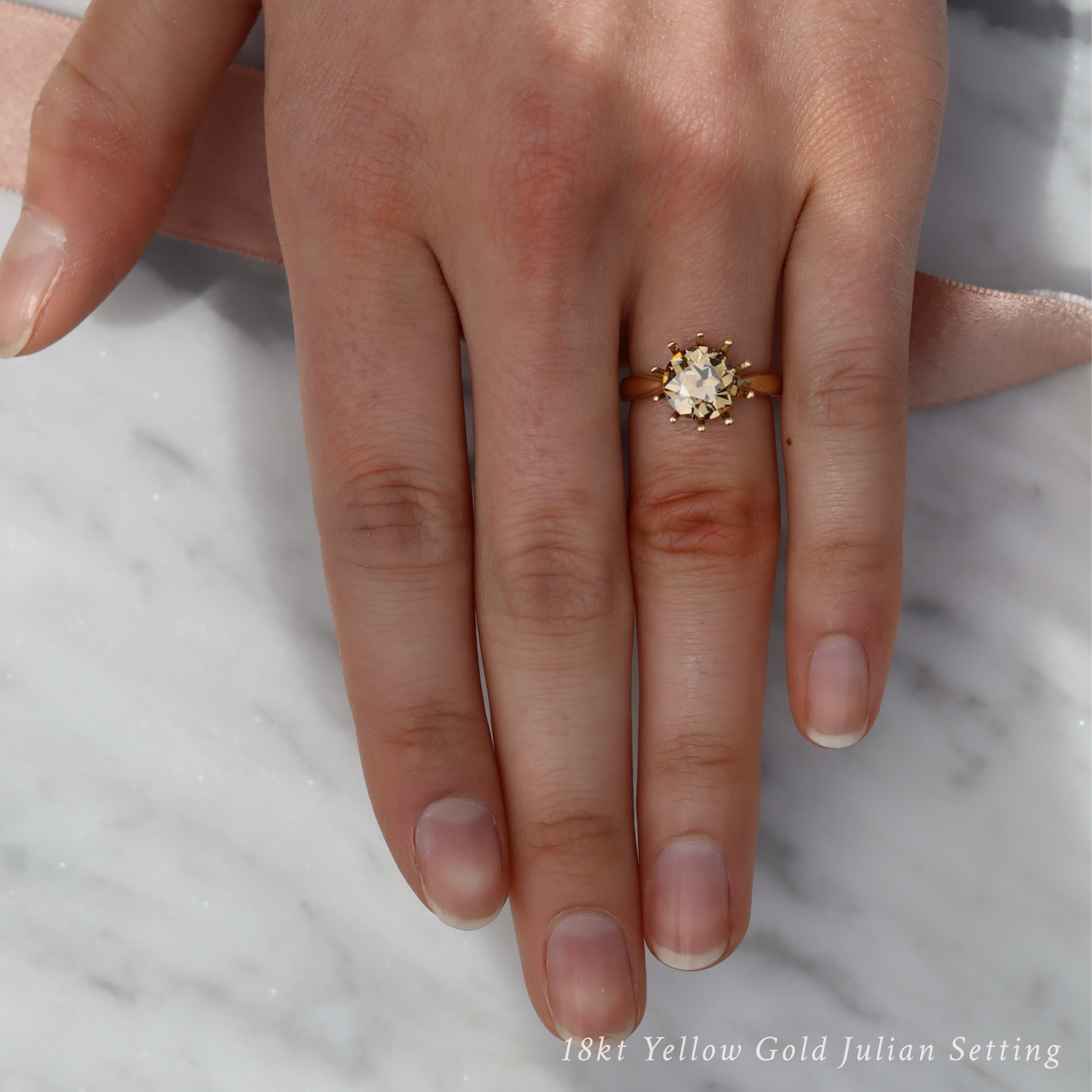
Loose antique diamonds are rare, historic gemstones cut by hand long before modern diamond technology existed. Our collection features authentic Old Mine Cut diamonds, Old European Cut diamonds, and other antique diamond shapes, each selected for its individuality, depth, and unmistakable antique character. Whether you are designing a bespoke engagement ring or collecting a singular historic stone, these diamonds offer soul, craftsmanship, and beauty that make every stone distinctly its own.
What Is a Loose Antique Diamond?
A loose antique diamond is a genuine diamond cut prior to the 1940s and offered without a setting. It is not simply that the diamond is “old”—diamond faceting styles fundamentally changed in the 1940s, giving rise to the modern brilliant cuts seen today.
Before this shift, antique diamonds were shaped entirely by hand. This craftsmanship resulted in softer facets, higher crowns, open culets, and a warm, candlelit glow. Each antique diamond is entirely unique—no two are ever alike—which is precisely why we love them.
Antique Diamond Cuts We Offer
Old Mine Cut Diamonds
Characterized by their cushion-like shape, chunky facets, and romantic sparkle, Old Mine Cut diamonds date back to the 18th and 19th centuries. These stones are prized for their unique play with light, organic proportions, and beautifully irregular shapes.
Old European Cut Diamonds
Precursors to the modern round brilliant, Old European Cut diamonds feature symmetrical faceting, small tables, and dramatic fire. This cut was especially popular during the Victorian, Edwardian, and Art Deco eras and is beloved for its balance of structure and softness.
Asscher/Emerald Cut Diamonds
Antique Emerald and Asscher Cut diamonds originated during the Art Deco era. These step-cut stones often display soft, ribbony faceting and depth that feels markedly different from today’s crisp, modern step cuts.
Rose Cut Diamonds
One of the earliest diamond cuts, Rose Cut diamonds are softly faceted stones known for their subtle shimmer rather than brilliance. Typically flat on the bottom with a domed top, these diamonds lack depth, are often see-through, and appear larger than their carat weight. Their unconventional beauty makes them especially revered among collectors.
Marquise Cut Diamonds
The Marquise diamond is said to have been commissioned by Napoleon, inspired by the shape of his lover’s lips—an inherently romantic cut. Moval diamonds (a blend of Marquise and Oval) offer a softer, more fluid interpretation of the traditional marquise shape.
FAQ
Are loose antique diamonds certified?
Our loose antique diamonds are accompanied by modern GIA reports; however, their true value lies in age, cut, and character rather than standardized grading alone.
Are antique diamonds less sparkly?
Antique diamonds are not less sparkly—they sparkle differently. Modern diamonds are engineered for uniform brightness, meaning the stone appears consistently bright across its surface. Antique diamonds, by contrast, were cut by hand to emphasize contrast between light and shadow. This sharper interplay creates visible movement of light across the stone, allowing it to shift, dance, and feel unmistakably alive—romantic, dimensional, and full of character rather than flat or overly uniform.
Can antique diamonds be reset safely?
Yes. Antique diamonds can be reset safely when handled by experts familiar with antique stones, their proportions, and their structural nuances.
Loose antique diamonds—particularly authentic Old Mine Cut and Old European Cut diamonds—are increasingly rare, making them a timeless and meaningful choice for custom engagement rings and heirloom jewelry.
